Home Blog

The Enduring Strength and Versatility of Stainless Steel Sheets

Source: alcoengineering.co.uk

In modern construction, manufacturing, and design, few materials can rival the strength, durability, and sleek appearance of stainless steel.

From kitchen splashbacks to architectural façades, stainless steel sheets have become an essential component across countless industries. Their versatility, combined with exceptional resistance to corrosion, makes them a long-term, cost-effective solution for both functional and aesthetic applications.

What Is Stainless Steel?

Source: ebay.com

Stainless steel is an alloy primarily composed of iron, chromium, and varying amounts of nickel, molybdenum, and other elements.

The chromium content—usually a minimum of 10.5%—creates a passive layer on the surface, which prevents rusting and staining.

This self-healing quality means that even when scratched or cut, the metal naturally reforms its protective barrier when exposed to oxygen.

The result is a material that resists rust, discolouration, and corrosion, even in challenging environments such as marine, industrial, or food processing settings.

Common Grades of Stainless Steel Sheet

Different grades of stainless steel offer specific benefits depending on the intended use. The most popular grades used for stainless steel sheets include:

  • Grade 304: Often considered the “standard” stainless steel, it offers excellent corrosion resistance and formability, making it ideal for kitchen equipment, architectural cladding, and general fabrication.
  • Grade 316: Contains molybdenum, which significantly improves resistance to chloride corrosion, making it perfect for marine environments or chemical processing applications.
  • Grade 430: A ferritic stainless steel that provides good resistance to oxidation and corrosion at a lower cost, often used for decorative applications and appliances.

Each grade offers a balance between cost, performance, and appearance, ensuring there is an appropriate option for virtually any project.

Key Benefits of Stainless Steel Sheets

1. Corrosion Resistance

Source: impactirl.ie

The most recognised advantage of stainless steel sheets is their superior resistance to rust and corrosion. This makes them particularly valuable in environments where moisture, salt, or chemicals are present.

2. Hygienic Properties

Stainless steel is non-porous and easy to clean, making it a top choice for commercial kitchens, hospitals, and laboratories. Its smooth surface prevents bacterial growth and allows for quick sanitisation.

3. Durability and Strength

Stainless steel sheets have an impressive strength-to-weight ratio, offering excellent load-bearing capabilities without unnecessary bulk. They can withstand impact, heat, and wear, ensuring a long lifespan even in demanding conditions.

4. Aesthetic Appeal

Available in various finishes—such as brushed, polished, or patterned—stainless steel sheets provide a contemporary, professional look. They’re commonly used in architecture and interior design to achieve modern and minimalist styles.

5. Sustainability

Stainless steel is fully recyclable. In fact, most new stainless steel contains a high proportion of recycled content, contributing to sustainable construction and manufacturing practices.

Popular Applications of Stainless Steel Sheets

Source: hollinbrow.co.uk

The adaptability of stainless steel sheets allows them to be used across a wide range of sectors, including:

1. Architecture and Construction

Used in façades, roofing, and cladding, stainless steel provides long-lasting performance and visual appeal. Its reflective surface can enhance light distribution and create a striking modern appearance.

2. Catering and Food Production

Hygiene is critical in the food industry, and stainless steel sheets are perfect for worktops, splashbacks, and shelving. Their ease of cleaning and resistance to staining make them indispensable in professional kitchens.

3. Automotive and Transport

Stainless steel’s combination of strength and corrosion resistance makes it valuable in vehicle manufacturing, especially for exhaust systems, trims, and protective panels.

4. Manufacturing and Engineering

Source: vulcanpost.com

From machine guards to enclosures, stainless steel sheets are used wherever precision and durability are required. Their ability to withstand harsh environments ensures consistent performance over time.

5. Interior Design and Furniture

Designers often use stainless steel sheets for decorative panels, wall coverings, and custom furniture. Their reflective finish adds sophistication and pairs well with other materials such as wood, glass, or stone.

Choosing the Right Finish for Your Project

The surface finish of a stainless steel sheet plays a crucial role in its function and appearance. Common finishes include:

  • 2B Finish: A smooth, reflective finish suitable for most industrial and domestic applications.
  • Brushed (Satin) Finish: Offers a softer, more muted appearance with visible grain lines—popular for appliances and interiors.
  • Mirror Finish: Highly polished to a reflective sheen, ideal for decorative or architectural purposes.
  • Patterned or Embossed Finish: Adds texture for visual interest or improved grip, often used in public spaces and transport applications.

Selecting the right finish not only enhances the visual impact but also influences performance characteristics such as wear resistance and ease of cleaning.

Fabrication and Working with Stainless Steel Sheets

Source: tbkmetal.com

Despite its toughness, stainless steel can be cut, bent, welded, and formed into complex shapes using appropriate tools and techniques. It’s compatible with laser cutting, waterjet cutting, and CNC machining.

However, due to its hardness and ability to work-harden, it requires skilled handling to avoid contamination or distortion.

Partnering with a reputable metal supplier ensures the sheet is prepared to your specifications and suitable for the intended application.

Cost Considerations

While stainless steel may have a higher upfront cost than mild steel or aluminium, it often delivers greater value over time.

Its longevity, low maintenance requirements, and resistance to corrosion reduce long-term expenses associated with replacements and repairs.

Additionally, the visual appeal of stainless steel can enhance property value or brand perception in commercial environments.

Where to Buy Quality Stainless Steel Sheets

When sourcing high-quality stainless steel for your next project, it’s essential to choose a trusted supplier with a reputation for precision cutting, fast delivery, and excellent customer service.

At 1st Choice Metals, you’ll find a wide range of stainless steel sheet options available in different grades, thicknesses, and finishes. Whether you need material for a bespoke fabrication, an architectural feature, or an industrial application, they offer reliable products cut to size and ready for immediate use.

Their commitment to quality ensures every sheet meets strict standards for performance and finish, giving you confidence in both appearance and durability.

Maintenance Tips for Stainless Steel Sheets

Source: vigorss.com

To maintain their aesthetic appeal and longevity, stainless steel sheets should be cleaned regularly using mild detergents or specialist stainless steel cleaners.

Avoid using abrasive pads or chlorine-based solutions, as these can damage the surface and compromise corrosion resistance.

Simple maintenance can go a long way towards preserving the material’s luster and extending its lifespan—whether used indoors or outdoors.

Conclusion

From industrial plants to interior design studios, stainless steel sheets offer unmatched versatility, resilience, and style. Their ability to perform reliably in a variety of environments—while maintaining a timeless appearance—makes them a cornerstone material in modern engineering and design.

If you’re planning your next project and need a robust, sustainable, and visually appealing solution, explore the full range of stainless steel sheet from 1st Choice Metals. Combining practicality with elegance, stainless steel remains the ultimate material for both form and function.


Singapore Property Market Trends for Upcoming Developments

Source: ura.gov.sg

The Singapore property market in 2025 is defined by cautious optimism. Prices continue to rise moderately after a brief correction in 2024, while developers focus on sustainable design, integrated communities, and smart-living features.

Despite global uncertainty, demand in the city-state remains resilient, driven by limited land supply, a stable economy, and consistent foreign investor interest. The next two years will see a surge of new projects that reflect changing buyer priorities, compact luxury, proximity to transport, and energy efficiency now matter more than ever.

A Market Shaped by Policy and Precision

The Urban Redevelopment Authority (URA) has maintained steady control over the private housing pipeline. Cooling measures introduced in 2023 continue to moderate speculative buying, but they have not dampened genuine owner-occupier demand. The Additional Buyer’s Stamp Duty (ABSD) has particularly reshaped foreign participation, with many investors turning their attention toward long-term rental yield rather than short-term flipping.

Local buyers, especially younger families and dual-income professionals, remain the strongest market force. They are drawn to upcoming developments that combine accessibility, compact layouts, and comprehensive amenities. These factors contribute to a steady absorption rate in the primary market, even when global interest rates fluctuate.

Demand Concentrating in Transit-Oriented Districts

Source: mrtmapsingapore.com

MRT connectivity remains the single most influential factor for new property demand. Areas within a 10-minute walk of a station, particularly those linked to new lines like the Cross Island Line (CRL) and Jurong Region Line (JRL), are witnessing strong developer interest and record land bids. Buyers prioritize convenience over size, leading to a market shift toward efficient unit layouts with flexible interior design.

Districts such as Tampines North, Lentor, and Pasir Ris are prime examples. These neighborhoods combine mature infrastructure with new mixed-use developments. Retail, schools, and public transport all converge to create self-contained communities, aa that continues to shape Singapore’s urban planning philosophy.

Rising Emphasis on Sustainable and Smart Design

Environmental sustainability is now a decisive factor in both planning approvals and consumer preference. Developers are adopting green certifications, integrating solar panels, rainwater harvesting, and passive ventilation systems into their designs. Buyers increasingly expect energy-efficient appliances and low-carbon building materials as standard, not luxury extras.

This sustainability push is complemented by digitalization. Smart home systems, from app-controlled lighting to automated climate control, are becoming essential selling points. These innovations enhance comfort and reduce utility costs, aligning with Singapore’s Green Plan 2030 and the city’s broader target of achieving net-zero emissions by mid-century.

Prime Developments Reflecting Modern Living

Upcoming residential launches continue to demonstrate how the market adapts to evolving buyer behavior. For example, Pinery Residences represents the new generation of integrated-lifestyle developments. Located in a growth corridor with direct access to transport and retail clusters, it offers compact but functional layouts ideal for professionals and small families. The project aligns with the trend toward community-driven living, emphasizing shared green spaces, fitness areas, and multipurpose rooms over large private balconies.

Projects like this illustrate how Singapore’s property developers are repositioning their value proposition: space is now measured by quality and flexibility, not sheer size. This approach appeals to both local and expatriate tenants who prioritize convenience and design efficiency.

Limited Land Supply and Government Planning

Source: edgeprop.sg

Singapore’s land scarcity continues to underpin its long-term property value. Each Government Land Sale (GLS) exercise attracts strong competition, with per-square-foot prices maintaining stability despite global inflationary pressures. Developers are expected to remain selective, focusing on mid-sized plots in established residential zones rather than speculative high-density builds.

The government’s long-term planning in areas such as Tengah, Jurong Lake District, and the Greater Southern Waterfront will define the next decade of residential growth. Tengah, for instance, will serve as Singapore’s first “smart forest town,” integrating sustainability, walkability, and digital infrastructure, all concepts that resonate deeply with younger buyers and forward-looking investors.

Rental Market Stability and Yield Potential

After two years of high volatility, the rental market is stabilizing. Median rents for condominiums have plateaued since Q2 2025, with stronger resilience in city-fringe and suburban zones than in the Core Central Region (CCR). Expats returning post-pandemic are choosing more cost-efficient housing options near business hubs like Paya Lebar and One-North rather than central areas.

Rental yields currently average between 3.5% and 4.2% for well-located suburban units. This stability ensures continued interest from long-term investors, especially those seeking to offset rising financing costs with consistent returns. However, the government remains vigilant about maintaining housing affordability for locals, meaning further tightening measures are unlikely unless speculative activity resurges.

A Second Wave of Urban Transformation

Singapore’s property landscape is entering what planners describe as a “second wave” of urban transformation. The first wave (2010–2020) focused on redeveloping older housing estates and expanding MRT coverage. The current phase focuses on decentralization, bringing work, leisure, and housing closer together outside the downtown core.

This is visible in hubs like Punggol Digital District and Woodlands Regional Centre, both designed to support job creation and local amenities simultaneously. Such decentralization reduces commuting times, strengthens community networks, and keeps housing demand diversified across the island rather than concentrated in a few high-priced enclaves.

The Role of Luxury and Boutique Projects

Source: propertyguru.com.sg

While mass-market condominiums continue to dominate sales volume, boutique developments are quietly shaping the high-end segment. One of the notable trends is the rise of smaller, design-focused luxury residences that target discerning local and foreign buyers seeking exclusivity and architectural distinction rather than size.

An example is Narra Residence, a boutique development that reflects the growing preference for privacy and craftsmanship in the luxury market. Its design approach underscores how top-tier buyers now prioritize location authenticity, aesthetic value, and long-term liveability instead of speculative resale potential. Boutique properties like this help diversify Singapore’s residential landscape, ensuring a more balanced spectrum of choices.

Outlook ─ Controlled Growth, Sustained Confidence

Looking ahead, analysts expect private home prices in Singapore to grow by 3–5% annually through 2026. This is a realistic pace that reflects the balance between rising construction costs and moderated demand under regulatory oversight. The government’s emphasis on housing affordability and infrastructure expansion will continue to support overall market stability.

Demand for suburban and fringe areas is expected to remain healthy, driven by upgraders from HDB flats and new family formations. Meanwhile, the luxury and core-central segment will benefit from the gradual return of foreign professionals and high-net-worth individuals seeking stable, long-term investments in a politically and economically secure city.

Final Assessment

The Singapore property market remains among the most disciplined and resilient globally. Every trend, from transit-oriented development to sustainability mandates, reflects deliberate planning rather than speculation. The market’s strength lies not in unrestrained growth but in balance, supported by consistent demand, transparent regulation, and long-term investor trust.

For 2025 and beyond, success in property investment will depend on recognizing where urban renewal and lifestyle evolution intersect. Projects that integrate connectivity, green infrastructure, and smart design, like the examples mentioned, represent the true direction of Singapore’s housing future.

Place Mats and Coasters: The Perfect Blend of Style and Practicality

Source: meikiedesigns.com

When it comes to setting the table, the little details often make the biggest difference. While fine china, elegant cutlery, and glassware all play their part, it’s the subtle accessories that complete the picture.

One of the simplest yet most effective ways to elevate dining experiences at home is by using place mats and coasters.

Practical, stylish, and versatile, they not only protect your furniture but also add personality and charm to your dining space.

Whether you’re hosting a dinner party, enjoying a family meal, or just having a quiet coffee at the table, these small accessories can transform the overall look and feel of your setting.

Why Place Mats and Coasters Matter

Source: amazon.com

Protecting Furniture

Dining tables often take the brunt of daily use. Hot dishes, drink spills, and water rings can all damage surfaces. Place mats provide a protective barrier against heat and scratches, while coasters prevent condensation and stains from marking your table.

Enhancing Aesthetics

Place mats and coasters instantly add style to any table. From classic woven designs to contemporary patterns, they can complement your décor and tie together the theme of your dining room or kitchen.

Creating Atmosphere

The way a table is set influences the mood of a meal. Crisp linen mats create an elegant, formal atmosphere, while playful prints and bright colours lend a relaxed, cheerful vibe.

Practical Organisation

Beyond style, mats and coasters help define personal space, giving each guest a clear setting for their meal. This can make dining feel more organised and enjoyable.

Different Materials to Choose From

Cork

Source: amazon.co.uk

Lightweight, durable, and naturally heat-resistant, cork mats and coasters are a timeless option. They are eco-friendly and provide a rustic charm.

Wood

Wooden designs add warmth and natural beauty. With the right finish, they can be both functional and decorative.

Fabric

Cloth place mats can be elegant and versatile, with patterns ranging from subtle neutrals to bold prints. However, they require more maintenance than wipe-clean materials.

Plastic and Vinyl

Source: rudeco.en.made-in-china.com

Affordable and easy to clean, these are perfect for family meals and everyday use. They come in a wide variety of colours and designs.

Glass or Ceramic

These offer a more modern, polished look, though they are heavier and less forgiving if dropped.

Leather and Faux Leather

Sleek and stylish, leather place mats are easy to wipe clean and lend a touch of sophistication to any setting.

Styling Your Dining Table

Everyday Dining

Source: amazon.co.uk

Choose durable, easy-to-clean mats and coasters in neutral colours. This ensures practicality while keeping your table looking neat.

Formal Occasions

Opt for elegant sets in muted tones, metallic accents, or high-quality fabrics to complement formal tableware.

Seasonal Themes

Celebrate holidays and seasons by switching designs—floral prints for spring, bold patterns for summer, rich hues for autumn, and festive motifs for winter.

Mixing and Matching

Don’t be afraid to combine different textures or patterns. A sleek leather mat with a patterned cork coaster, for example, can add a contemporary edge to your table.

Benefits of Buying Sets

Purchasing coordinated place mats and coasters as a set ensures consistency in style and colour. It also saves time when setting the table, as everything matches perfectly.

Sets are available in a range of sizes, making them ideal for families, dinner parties, or even cafés and restaurants.

Ideal Occasions for Place Mats and Coasters

Source: thehumblehare.co.uk
  • Family Meals – Practical for everyday dining, especially with children.
  • Dinner Parties – Adds elegance and sophistication when entertaining guests.
  • Cafés and Restaurants – Essential for protecting furniture while presenting a polished look.
  • Gifting – Stylish sets make excellent housewarming or wedding presents.
  • Seasonal Celebrations – Themed designs help bring festive spirit to the table.

Caring for Your Place Mats and Coasters

To ensure longevity, it’s important to care for your mats and coasters correctly:

  • Wipe clean vinyl, cork, or leather designs after use.
  • Handwash or machine wash fabric mats depending on care instructions.
  • Store them flat to avoid warping, particularly cork or wood.
  • Avoid placing extremely hot pans directly on mats unless heat-resistant.

With proper care, they will last for years while maintaining their good looks.

How to Choose the Right Set

When selecting mats and coasters, consider:

  • Size – Ensure mats are large enough for plates and cutlery, and coasters suit the types of glasses you use.
  • Shape – Round, square, or rectangular options can complement your table shape.
  • Colour and Pattern – Match with your existing décor, or use contrasting shades for visual interest.
  • Durability – Choose materials suitable for your lifestyle, whether easy-clean vinyl for families or elegant linen for formal dining.

TTamer Collection: Stylish Place Mats and Coasters

Source: amazon.co.uk

For those looking to add both style and function to their table, TTamer offers a wide range of place mats and coasters in beautifully coordinated sets. Their designs combine practicality with elegance, making them perfect for everyday use or special occasions.

From classic cork to modern patterns, TTamer’s collection ensures there’s a design to suit every home. Each set is crafted with attention to quality, ensuring durability while enhancing the look of your dining space.

Conclusion

Place mats and coasters may be small accessories, but their impact on dining is undeniable. They protect your furniture, improve the look of your table, and help create the right atmosphere for any occasion.

By investing in high-quality sets, you not only enjoy everyday practicality but also add charm and character to your home.

With stylish, durable options available from TTamer, it’s never been easier to bring elegance and function together at your table. Whether for family meals, entertaining, or gifting, place mats and coasters are timeless essentials.

Importance of Nutrition in Health

nutrition in health
Source: health.harvard.edu

Imagine starting each morning feeling genuinely refreshed, staying sharp during work hours, and actually wanting to do things after dinner instead of collapsing on the couch. This isn’t some fantasy; it’s what happens when your food choices finally align with what your body truly needs. At Horizon Health, our holistic therapy clinic witnesses these remarkable shifts constantly as Australians discover nutrition approaches that genuinely work with their real lives.

Here’s the thing about healthy eating: it’s been overcomplicated by diet culture and wellness trends that make it seem impossible without perfect meal prep or breaking the bank. The truth? Good nutrition boils down to understanding how different foods make you feel and choosing more of what energises you. Despite having access to more nutrition information than ever before, Australians seem increasingly overwhelmed by conflicting food advice.

Our natural health clinic takes a different approach. We recognise that lasting changes happen when nutrition advice fits seamlessly into your real life, not some perfect Instagram version of it.

Why Eating Patterns Need Special Attention

Why Eating Patterns Need Special Attention
Source: chear.ucsd.edu

Australia’s food landscape creates unique challenges. We’ve got this amazing multicultural mix bringing incredible variety to our plates, but we’re dealing with processed food habits that have crept into everyday eating.

Restaurant meals now contain enough food for two people, yet we’ve trained ourselves to finish everything. Our holistic therapy clinic helps people rediscover what appropriate portions actually look like. It’s eye-opening when you realise how disconnected we’ve become from our bodies’ natural signals.

Then there’s our climate factor. Summer heat can kill your appetite while making you desperately thirsty, whereas winter months trigger cravings for heavier comfort foods. Many people ask whether they should eat differently throughout the year, and absolutely, your body has different needs across seasons.

Simple Nutrition Principles That Actually Work

Forget complicated counting systems or restricting entire food groups. Your best foundation still lies in whole foods, fresh vegetables, fruits, quality proteins, whole grains, and healthy fats that haven’t undergone heavy processing in factories.

Hydration deserves special mention in our Australian context. You probably need more water than you think, especially during scorching summer months or when outdoors. Water supports literally everything your body does.

Meal timing affects your energy levels more than most people realise. Eating at consistent times helps stabilise blood sugar and prevents afternoon energy crashes that send you hunting for sugar fixes.

Instead of obsessing over calories, focus on nutrient density. Foods rich in vitamins, minerals, and beneficial compounds offer a more cost-effective option compared to processed foods with empty calories. This approach naturally guides you towards better choices without requiring complicated calculations.

Building Eating Habits That Stick

Building Eating Habits That Stick
Source: rewyndsnacks.com

Meal planning sounds tedious until you realise it can take just 15 minutes per week while saving hours of daily decision-making. Start simple, plan three dinners for the week and see how much easier your life becomes.

Breakfast sets your entire day’s energy pattern. Protein-rich morning meals help maintain steady blood sugar, preventing those mid-morning crashes that drive you towards sugary snacks. Our holistic therapy clinic often suggests experimenting with different breakfast combinations until you find what keeps you satisfied until lunch.

Mindful eating helps you reconnect with hunger and fullness cues that busy lifestyles often override. This means actually tasting your food, eating without distractions, and noticing how different meals make you feel afterwards.

Smart shopping makes healthy eating infinitely easier. Fresh markets provide seasonal variety while supporting local growers, though frozen vegetables and fruits work perfectly when fresh isn’t practical or available.

Real Eating Challenges

Shift work affects millions of Australians, creating nutritional puzzles that standard advice rarely addresses. Eating dinner at 2 AM throws off natural rhythms and often leads to grabbing whatever’s convenient. Our natural health clinic provides special strategies for managing nutrition across irregular schedules.

Social eating plays a huge role in Australian culture. From barbecues to pub dinners and coffee dates, food connects us socially. Learning to navigate these situations without derailing health goals requires practical approaches.

Many people wonder about supplements. While good food should provide most nutrients, factors like soil quality, storage methods, and individual absorption can create gaps. Our holistic therapy clinic evaluates individual needs rather than recommending blanket supplementation.

Emotional eating often develops when we use food to cope with stress, boredom, or other feelings unrelated to physical hunger. Australian work pressures and lifestyle demands frequently trigger these patterns. Understanding your triggers helps develop healthier coping strategies.

Nutrition Across Different Life Stages

Source: wur.nl

Kids’ nutrition matters enormously because eating patterns established early tend to stick. Australian children face rising obesity rates, making family nutrition education crucial. Our holistic therapy clinic provides approaches that work for busy parents while building healthy foundations.

Teenage nutrition presents unique challenges as independence grows, but nutritional needs remain high. Growth spurts, school pressures, and peer influences all impact eating choices during these formative years.

Adult nutrition varies dramatically based on work demands, family responsibilities, health conditions, and personal goals. Many adults struggle to maintain healthy eating while juggling career and family pressures. Our natural health clinic develops realistic strategies that fit demanding lifestyles.

Ageing changes nutritional requirements as metabolism, absorption, and activity levels shift. Older Australians may need different approaches to maintain muscle mass, bone strength, and cognitive function.

Making Nutrition Work in Reality

Budget-friendly nutrition remains absolutely achievable with smart shopping and preparation. Many nutritious whole foods cost less than processed alternatives. Seasonal eating, batch cooking, and strategic use of frozen options help stretch budgets without sacrificing nutrition.

Time-saving strategies make healthy eating realistic for busy people. Preparing ingredients in advance and having backup options ready prevents defaulting to takeaway during hectic periods.

Our holistic therapy clinic recognises that perfect nutrition doesn’t exist in real life. We focus on sustainable progress rather than unrealistic perfection, helping people develop approaches that gradually improve over time.

Cultural food integration allows us to honour our heritage while supporting health goals. This might involve slightly modifying traditional recipes, balancing richer dishes with lighter options, or adjusting portions while maintaining cultural connections.

Getting Professional Support

Source:facebook.com

Personalised nutrition guidance considers your individual health status, preferences, lifestyle, and goals rather than applying generic recommendations. Our holistic therapy clinic provides thorough assessments identifying specific needs and practical implementation strategies.

Ongoing support proves essential for long-term success. Nutrition changes take time to become habits, and professional guidance helps navigate challenges while adjusting approaches as circumstances change.

At Horizon Health, we integrate nutrition counselling with other natural health clinic services, recognising that optimal health requires addressing multiple factors simultaneously. Our telehealth platform makes professional guidance accessible across Australia.

Good nutrition empowers informed food choices, supporting your health goals while fitting your actual lifestyle. Start with small, consistent changes rather than dramatic overhauls; sustainable progress beats temporary perfection every single time.

How to Check Loan Eligibility and Prepare for a Showflat Appointment When Buying a Condo in Singapore

Source: propertyguru.com.sg

Buying a condo in Singapore is more than choosing a unit that looks attractive in brochures. The process is structured, with clear steps that shape the outcome.

Loan eligibility comes first, because it sets the price bracket you can work with.

Showflat visits follow, giving you a chance to see how projects present themselves and how well they align with your expectations.

Both steps require preparation, patience, and attention to detail. Approaching them carefully makes the journey smoother and helps you avoid regrets later.

Why checking loan eligibility shapes the entire purchase

The very first task in the buying journey is checking loan eligibility. Without it, everything else is guesswork.

Buyers often fall in love with developments only to discover later that financing does not stretch far enough. Loan checks remove uncertainty and highlight which price ranges are truly attainable.

Banks assess eligibility through a few key measures:

  • Total Debt Servicing Ratio (TDSR): Caps the portion of monthly income allowed for loan repayment.
  • Mortgage Servicing Ratio (MSR): Applies for HDB flats and ECs, ensuring repayments do not exceed a set portion of income.
  • Credit history: Past defaults, high card balances, or too many loans can reduce eligibility.
  • Interest stress testing: Banks calculate repayments at higher assumed rates to ensure affordability in tougher conditions.

By clarifying these factors early, you avoid wasted time. The process also brings peace of mind because you know the upper limit and can focus only on projects that fall within range.

Many buyers choose to work with a mortgage broker to compare multiple banks, which can save time and unlock better packages.

Linking approved budgets with the right projects

Once an in-principle approval is secured, the next move is narrowing down projects. Shortlisting should not be random.

It needs to match the approved budget, lifestyle goals, and future plans.

One development that illustrates how eligibility and aspirations meet is Skye at Holland. Located in a well-connected and vibrant part of the city, it appeals to families who value greenery and convenience without being far from the core.

Visiting such a showflat with financial clarity allows you to focus on practical questions rather than being distracted by emotions.

Instead of wondering “Can I afford it?”, you can concentrate on evaluating layout, design, and neighborhood quality.

Getting financial documents ready before the showflat visit

Showflat appointments are competitive. Popular launches can see crowds lining up, and units often sell out quickly. To act fast, you need documents ready for verification. Fumbling with paperwork at the last moment may cost you the preferred unit.

Here’s a checklist worth preparing in advance:

  • Identification documents (NRIC or passport)
  • Last three months’ payslips or proof of income if self-employed
  • CPF contribution records
  • Bank statements showing salary credit
  • In-principle loan approval letter from banks

Having these on hand signals seriousness to agents and gives you the freedom to secure a booking immediately if the right unit appears. The most successful buyers are usually the ones who arrive not only with questions but also with complete folders.

Why the showflat appointment matters more than brochures

Source: orchard-sophia.sg

A showflat is where glossy marketing materials meet reality. On paper, all condos look enticing. In a showflat, you get to test proportions, finishes, and overall flow of space.

But you also need to step in with critical awareness. Showflats are staged for effect, often with smaller furniture, clever mirrors, and warm lighting.

During the visit, focus on practical evaluation:

  • Compare dimensions with your existing furniture.
  • Check where air-con ledges or structural beams cut into usable space.
  • Ask about actual unit placement, facing, and floor height.
  • Study the model closely to see how common facilities are arranged.

Treat the session like an inspection, not an exhibition. Many buyers later remark that their best decisions came from questions asked at the showflat rather than glossy brochures.

Mid-process research that avoids costly mistakes

The journey does not pause after loan checks and one showflat visit. Buyers benefit from digging deeper into long-term prospects of each project. Property values, rental demand, and transport expansions all play into future stability.

Consider a project like Penrith. Buyers evaluating it often study connectivity, school catchment areas, and lifestyle amenities in surrounding zones.

Such research prevents disappointment years down the road. With a mortgage stretching across decades, confidence comes from knowing the area will remain attractive not just today but for resale or rental markets later.

Common mistakes at showflats and how to avoid them

The buzz of a launch weekend can cloud judgment. Developers design showflats to impress, and many buyers rush into commitments. Some pitfalls repeat frequently:

  1. Overlooking hidden costs: Maintenance fees, stamp duties, and property taxes can add up significantly.
  2. Borrowing at the maximum limit: Just because banks approve it does not mean your lifestyle will remain comfortable.
  3. Trusting décor illusions: Without furniture and staging, actual units often look smaller.
  4. Skipping site visits: Showflats may be located away from the actual project site, masking real traffic or noise issues.

Recognizing these traps keeps you grounded and protects you from buyer’s remorse.

Practical tips for getting the most out of showflat visits

Source: squarerooms.com.sg

To maximize the value of each appointment, treat it as a structured outing:

  • Book weekday slots where crowds are thinner and sales teams are more responsive.
  • Carry a tape measure and notebook for precise comparisons.
  • Ask openly about promotions, deferred payment schemes, or early-bird discounts.
  • Walk the actual site after the appointment to judge real surroundings.

Many families even bring children along to gauge comfort levels in shared spaces. A showflat becomes far more useful when viewed through the lens of daily life.

Why lifestyle fit is as important as financial approval

Numbers alone do not guarantee happiness in a condo. Lifestyle elements make or break long-term satisfaction.

Consider daily routines: if schools are far, commutes become draining; if parks are missing, families lose outdoor relief; if dining and retail are inconvenient, minor frustrations grow.

Key lifestyle checks include:

  • School distance and transport routes
  • Access to greenery or sports facilities
  • Range of nearby shops, cafés, or markets
  • Type of community and resident mix

Balancing affordability with comfort ensures that the condo feels right both on paper and in daily living.

How to pace the entire buying process

A rushed decision rarely ends well. Buyers who pace their process step by step tend to feel more confident. A rough guide could look like this:

  • Month one: Secure loan approval and shortlist developments.
  • Month two: Visit showflats, gather brochures, and compare options.
  • Month three: Revisit shortlisted projects, discuss with family, and confirm a booking if everything aligns.

Spacing out tasks reduces stress and allows you to reflect rather than being pressured by hype.

Closing thoughts

Checking loan eligibility and preparing for showflat appointments are not just procedural steps. They form the foundation of a confident and smooth condo purchase in Singapore.

By getting financial checks out of the way early, arriving at showflats with documents in hand, and keeping a sharp eye during visits, buyers give themselves the best chance of making decisions that last.

A home is both financial and personal, and when preparation meets patience, the outcome is far more rewarding.

The Growing Importance of Cloud Expertise in Modern Business

Source: itbrief.com.au

In today’s fast-paced digital economy, cloud computing has become an essential part of how organisations operate. Businesses of all sizes are adopting cloud services to improve flexibility, reduce costs, and increase security. By moving away from traditional infrastructure, companies can scale operations rapidly, adapt to new challenges, and keep pace with competitors who are already leveraging advanced cloud platforms.

The Benefits of Cloud Adoption

Adopting the cloud goes beyond just data storage. Businesses can tap into services such as machine learning, analytics, and automation, which drive efficiency across departments. For many organisations, the advantages include:

  • Scalability: Businesses can increase or decrease resources on demand.
  • Cost efficiency: Instead of investing heavily in hardware, companies pay for what they use.
  • Innovation: Access to advanced technologies enables faster product development.
  • Security: Leading cloud providers offer robust measures to protect sensitive data.

These benefits make cloud adoption one of the most impactful technology decisions a company can make.

Choosing the Right Cloud Provider

While the benefits are clear, choosing the right provider is not always straightforward. Businesses must consider pricing structures, available features, and levels of support. Some organisations require hybrid solutions, combining on-premise systems with cloud platforms. Others may prefer fully managed services where providers take care of all infrastructure.

Among the many cloud providers, Amazon Web Services (AWS) remains one of the most popular options. Its wide range of tools and global reach makes it appealing to companies from startups to multinational enterprises.

Source: pcmag.com

The Role of Cloud Specialists

Even with strong platforms like AWS, businesses often require additional expertise to maximise the return on investment. Cloud environments can be complex, with multiple services and configurations available. Without proper planning, costs may spiral, or security vulnerabilities may arise.

This is where cloud specialists step in. Experts with experience in architecture, migration, and optimisation can help businesses design tailored solutions that meet their unique needs. From securing workloads to ensuring compliance, these professionals provide guidance that saves time and reduces risk.

Supporting Digital Transformation

Cloud adoption is often at the heart of digital transformation strategies. Companies looking to modernise their operations use the cloud to enable remote working, improve collaboration, and roll out new customer-facing applications. With the right approach, businesses can transform not only their IT systems but also the way they deliver value to customers.

Consultants and cloud engineers support this process by aligning technology with business goals. They help organisations assess their readiness, design migration paths, and implement solutions that evolve alongside the business.

AWS Consulting and Business Success

For organisations focusing on AWS, external expertise can make the difference between simply using cloud services and achieving real competitive advantage. By working with a trusted partner, companies gain insights into best practices, cost management, and advanced service integration. Those seeking such support may turn to AWS consulting services, which offer guidance across architecture design, security, compliance, and ongoing optimisation.


Source: newstar.cloud

The Future of Cloud-Driven Organisations

Looking ahead, businesses will increasingly rely on the cloud as artificial intelligence, machine learning, and data-driven decision-making become the norm. Cloud platforms will continue to expand their offerings, making them indispensable to innovation and growth.

Companies that invest in cloud expertise today will be better positioned to embrace these changes. By combining flexible technology with specialist knowledge, they can achieve resilience, efficiency, and long-term success in a highly competitive marketplace.

Conclusion

The shift to cloud technology is more than a trend, it is a fundamental change in how businesses operate. With benefits including scalability, cost efficiency, and security, cloud adoption supports innovation and drives digital transformation.

Choosing the right platform and leveraging expert guidance ensures that organisations not only keep pace but thrive in the digital era. Cloud expertise, particularly in widely used platforms like AWS, will remain critical to business growth and sustainability in the years to come.

Understanding the Pedestal Grinder: A Shop Essential

Source: youtube.com

In the world of metalworking, fabrication, and general workshop maintenance, a pedestal grinder plays an indispensable role.

Fundamentally, a pedestal grinder is a powerful, stationary grinding machine mounted on a pedestal (or stand) and designed to shape, finish, or sharpen metal components with precision.

Its robust design and wide array of applications make it a staple in industrial settings, professional shops, and even serious home garages.

What Is a Pedestal Grinder?

Source: vanderzielmachinery.com

A pedestal grinder consists of a high-speed rotating shaft that runs through the center of the machine, fitted with abrasive wheels or discs on either end.

These wheels are typically composed of bonded abrasives such as aluminum oxide, silicon carbide, or other compounds selected based on the required cutting or finishing performance.

The entire assembly is supported by a strong base or pedestal, cushioning the vibrations and ensuring stability during heavy-duty operations.

Many models include safety features like adjustable spark deflectors, adjustable tool rests, and wheel guards—essentials for safe and efficient operation.

Sizes vary widely, from small 6-inch wheel units to industrial-grade machines with wheels up to 20 inches or more, depending on the intended use.

Typical Uses

Pedestal grinders excel at several tasks:

  • Sharpening tools — Tools like chisels, drill bits, lathe tools, and blades regain their edge quickly, saving time and delivering consistent sharpness.
  • Deburring and smoothing — Removing burrs, weld spatter, or rough edges from finished parts becomes fast and effective.
  • Shaping and fitting — For metal parts that need slight adjustments or positioning, the grinder can remove small amounts of material to achieve a precise fit.
  • Surface preparation — Before welding or painting, cleaning and prepping metal surfaces benefits greatly from a quick grinder pass.

Advantages Over Other Grinding Tools

Source: wl-mach.en.made-in-china.com
  1. Stability and Power: Unlike handheld grinders, pedestal grinders are anchored to the floor, enabling extended use without operator fatigue.
  2. Precision and Control: With controlled speeds and built-in rests, users can maintain consistent angles and apply steady pressure.
  3. Versatility: Dual wheels with differing grits allow one coarse and one fine wheel on the same machine, offering flexibility for varied tasks.
  4. Efficiency: Ideal for frequent or heavy-duty use, these grinders drastically reduce manual effort and time compared to manual filing or sanding.

Safety and Best Practices

A pedestal grinder may appear simple, but misusing it can cause severe injuries. Follow these safety steps:

  • Wear proper protection: Safety glasses or a full-face shield, gloves, and hearing protection are essential.
  • Inspect the wheels: Before use, look for cracks, chips, or excessive wear and always perform a ring test on new wheels.
  • Set the tool rest correctly: Keep it no more than 3mm (1/8″) from the wheel to prevent workpieces from slipping into the gap.
  • Stand to one side when starting: When powering up, avoid standing directly in front of the rotating wheel to reduce risk from accidental wheel failure.
  • Use steady pressure: Press evenly and avoid forcing parts against the wheel—too much pressure causes glazing, overheating, or wheel damage.
  • Allow cooldown time: Grinding generates heat. Pause occasionally or use water cooling to prevent overheating workpieces.

Choosing the Right One

Source: weeklysafety.com

When selecting a pedestal grinder, consider:

  • Wheel size — Choose wheels that suit your workspace and typical job size.
  • Motor power and speed — Higher HP and RPM deliver faster material removal but may compromise control if excessive.
  • Wheel material — Coarse, general-purpose wheels (e.g., aluminum oxide) are great for shaping, while finer silicon carbide or ceramic wheels offer smoother finishes.
  • Optional extras — Look for models with built-in lighting, coolant trays, or quick-change wheel systems.

If you’re looking for a reliable source to view or purchase such equipment, check out this link to a trusted pedestal grinder provider: pedestal grinder

Conclusion

In short, a pedestal grinder is a powerful, dependable, and versatile tool for shaping, sharpening, and smoothing metal objects. From heavy-duty industrial fabrication to sharpening home workshop tools, its combination of stability, efficiency, and precision makes it a must-have machine in any serious workspace. With proper selection, setup, and safety awareness, it becomes a workhorse that enhances both productivity and accuracy—truly an investment worth considering.

The Importance of Filing Returns Even Without Form 16

Filing Returns
Source: freepik.com

Form 16 is a document given to salaried employees under Section 203 of the Income Tax Act. This employer-provided document shows the details of your salary and the tax deducted at source (TDS).

However, even if you don’t have Form 16, you must file your Income Tax Return (ITR). As per the latest income tax laws, you are required to file an ITR if your income exceeds the basic exemption limit of Rs. 3 lakhs (Rs. 2.5 lakhs under the old tax regime).

Failure to file ITR by the due date (usually 31st July) leads to fees and penalties. In the absence of Form 16, you can use several other documents, such as Form 26AS, bank statements, salary slips, and more to calculate your total taxable income.

In this article, let’s see a list of documents you can refer to while filing ITR without Form 16. Also, we will learn the various consequences of non-filing ITR in the absence of Form 16.

What happens when you don’t file ITR before the due date

Income Tax Return
Source: freepik.com

Due to the lack of Form 16, if you don’t file your ITR before the due date, you can face the following consequences:

  • You will be charged a late filing fee under Section 234F of Rs. 5,000 for incomes above Rs. 5 lakhs and Rs. 1,000 for incomes below Rs. 5 lakhs.
  • You have to pay interest under Section 234A at 1% per month (or part of a month) on the unpaid tax amount.
  • Missing the deadline also means you lose the benefit of carrying forward losses.

Moreover, repeated non-filing is mostly viewed as tax evasion. It could lead to prosecution and might even result in imprisonment ranging from 6 months to 7 years depending on the severity of the default.

What documents to use in the absence of Form 16

If you don’t have Form 16, you can still file your return by using other documents. These help you gather all the necessary details required for your tax filing. Let’s check them out:

1. Get Form 26AS

Download Form 26AS from the official income tax portal. It is a detailed tax statement that shows all TDS (Tax Deducted at Source) credited to your PAN. Compare the TDS entries with your salary slips to ensure they match.

2. Review salary slips and bank statements

Use your salary slips or bank statements to calculate your total salary income. Specifically, check for deductions like Provident Fund or Professional Tax.

3. Examine Annual Information Statement (AIS)

Examine Annual Information Statement
Source: freepik.com

AIS is an extension of Form 26AS. It provides a detailed summary of various financial activities linked to your PAN. From here you can check the following:

  • Interest income earnings from savings accounts and fixed deposits with banks and NBFCs
  • Dividend income received from shares or mutual funds
  • Details of stock market trades
  • Mutual fund transactions, such as purchases, redemptions, and dividends
  • Information related to foreign remittances

Please note that much of the information provided in AIS is pre-filled in your ITR. This reduces errors and saves you time when filing ITR.

4. Use alternative documents

If you have investment proofs (like insurance or rent receipts), you can use them to claim deductions. Some common documents you can refer to are:

  • Insurance premium receipts: For life or health insurance policies under Section 80C and 80D
  • Rent receipts: To claim House Rent Allowance (HRA) exemptions
  • Home loan interest certificate: For interest paid on home loans under Section 24(b)
  • Public Provident Fund (PPF) passbook: To claim deductions under Section 80C
  • Fixed Deposit (FD) receipts: For tax-saving FDs with a tenure of 5 years
  • Education loan interest certificate: To claim deductions on interest payments under Section 80E
  • Medical bills and preventive health check-up bills: For deductions under Section 80D or 80DD for medical expenses.

As a tip, you should make sure all documents are accurate and valid for the financial year. Besides these documents, you should maintain invoices of all the high-value purchases made from online marketplaces or offline stores.

Conclusion

If your taxable income exceeds the basic exemption limit, you must file your ITR before the due date even in the absence of Form 16. This allows you to remain compliant with the tax laws, avoid late fees, and save yourself from hefty interest charges.

To accurately file your return, you can use several alternative documents to Form 16, like salary slips, Form 26AS, investment proof, and the AIS. Using these documents, calculate your taxable income. Next, apply slab rates to determine your outstanding tax liability or refund.

Lastly, visit the official income tax website and log in. Here choose an appropriate ITR form and enter all the details. Submit and e-verify your return within 30 days.

How to get IB diploma?

Source: eibparis.com

Studying at foreign universities so that the academic difference does not interfere with further education is necessary because this is the only way to fully acquire knowledge already in the main program. For this purpose, the International Baccalaureate, IB, was created. The program was created for children from 3 to 19 years old within the framework of secondary education.

The IB system was first used in 1948. It is based on concepts such as globalism, cosmopolitanism, and bilingualism, which were formulated and identified by the French educator Marie-Therese Morette. So, how to get IB diploma?

The system itself includes three programs. The categories are divided according to the student’s age and level of development.

  • Primary Years Program (PYP) — for children from 3 to 12 years old.
  • Middle Years Program (MYP) — for teenagers from 11 to 16 years old.
  • Diploma Program (DP) — for high school students from 16 to 19 years old.

The entire program is designed in such a way that after its completion, the student becomes an inquisitive and comprehensively developed person. The emphasis here is not on getting knowledge but on getting flexible skills. Such a person will solve problems independently in the future, adapt to the changed conditions, and establish contacts with people of different views. How do you get an IB diploma?

World practice of schools with the IB diploma program

Source: academiccourses.com

About 150 countries around the world support the system. Based on this program, more than 5,000 schools are now open and actively operating worldwide.

There are more than a thousand such schools in the USA. In Europe, Switzerland has the most such establishments, which can be found in France, Germany, and Italy.

Why choose such establishments? All students receive high-quality education that meets international standards in all requirements and conditions. Students select several subjects that they will study in depth. They don’t have to be in the same field. Many prestigious universities and scholarships are awarded to students who have completed such studies.

They are ready to study an in-depth program at the best universities. Plus, flexible skills help you adapt to any conditions at the university. Let’s consider how to get an international baccalaureate diploma.

Recent changes in the IB program

There is not a single area that has not been affected by the coronavirus, including the conduct of various international exams. At the time of the pandemic, most exams were canceled. At this point, distance learning programs and exams began to develop actively.

Online courses and tests have become a solution for many students. This method has made the systems more accessible. Now they say that artificial intelligence will become an assistant for learning.

The programs have become more adapted; that is, they take into account the individual characteristics of the student and their current level of knowledge. All training systems bring more results because everyone gets exactly what they need

Essence of IB

Source: ideas.time.com

Let’s take a closer look at what a program is, exactly how it works, and how to get IB certificate.

The main difference from similar options is a holistic approach that covers a large amount of knowledge and skills that will be useful to you in training and real-time. Students develop critical thinking, communication in an intercultural environment, and the ability to make quick decisions. Although the system itself differs depending on the level, let’s look at all the categories to understand exactly how to get a diploma.

The Primary Years Program (PYP) sets the main goal to form students’ desire to gain knowledge and learn to cooperate in order to solve joint tasks. In total, children must master the main six subjects: languages, mathematics, natural sciences, technology, art, and physical education.

Middle Years Program, MYP is a system that is designed to work specifically with teenagers. They are taught independence so that they can make decisions and interact with the team. The list of standard subjects is similar to the junior system, but the student chooses subjects that will be studied at an advanced level.

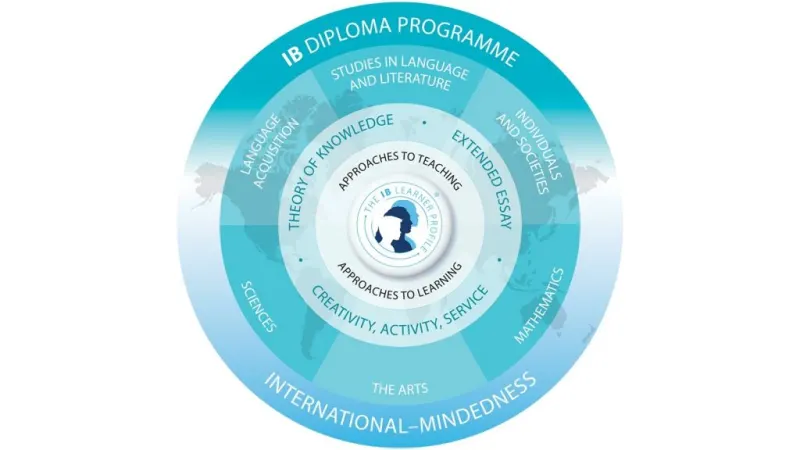
The Diploma Program, DP aims to prepare students for admission to the best universities. The whole process divides all subjects into three groups. The main subjects are studied in depth at a high level. Such lessons are chosen at the middle stage. The second group includes subjects that are required for study. These are mathematics, English, and natural sciences. There are separate elective subjects that are chosen by students who want to specialize in a particular field.

In addition, there is a separate Career-related Program, CP, which aims to gain the knowledge and skills needed for a career. They gain professional experience in their chosen field. Such a system is flexible since it can go along with obtaining a diploma or be selected separately in order to focus on a career direction.

Requirements for the IB diploma program

Source: bau.edu

A standard set of requirements is mandatory for those who want to study under this system. How do I get an IB certificate?

  • Send a motivation letter ─ The main things that you should identify are your goals, motivation, and achievements. It’s worth pointing out your interests.
  • Have an interview with the program coordinator. You will be asked questions to find out not only about the training and success but also about plans after completion or personal qualities.
  • Choose the subjects to study ─ They should be interesting to you and designed for your future career. It is advisable to choose one direction.
  • Take the entrance exam ─ The exam includes written work and interviews. You will have to demonstrate your knowledge in some subjects. The exam itself is held in English.
  • Get an invitation to study ─ When all the preparation is completed, an invitation is sent to your email or phone. And you can start studying after filling out the documents and paying the entrance fee.

English schools in Russia offer education that follows a modern system. They can offer high-quality knowledge, flexible skills, and an individual approach. Everyone there can offer training that will understand how to get an IB program.

If you are aiming to get an education according to the program, then you should take the preparation responsibly. In fact, this is a complex and multi-level process, and professional help is required. Teachers and programs that are built for the student, his level, and desires.

Premier League Summer Transfers 2025: What Are the Biggest Surprises

Source: goal.com

The 2025 Premier League summer transfer window has already been one for the books—and we’re only halfway through it. With a structure shaped by the FIFA Club World Cup, an early rush of deals in June kicked off what has quickly turned into one of the most unpredictable, free-spending summers in English football history.

Over £1 billion has already changed hands, and some of the names and numbers involved are turning heads across Europe.

While the usual suspects have been active—Liverpool, Chelsea, Manchester United—some of the biggest shocks have come from clubs no one expected. Newly promoted Sunderland is spending like a Champions League side. Burnley has poached a Premier League legend. And then there’s Liverpool splashing nine figures on a 21-year-old.

Let’s take a closer look at the biggest surprises of the 2025 summer window, from the record-breakers to the eyebrow-raisers.

Arsenal Strengthen a Strength: Martin Zubimendi for £60 Million

Source: goal.com

We did Arsenal transfer analysis, and there’s a lot to unpack. Gunners already had a crowded midfield, so when they dropped £60 million on Martin Zubimendi from Real Sociedad, it raised more than a few questions. Tactical depth? Maybe. A statement of intent? Absolutely.

Zubimendi is a cerebral defensive midfielder, calm under pressure and intelligent in his positioning. He doesn’t grab headlines with goals but makes his team tick—snapping into tackles, intercepting play, and keeping the ball moving.

What’s surprising is not the player’s quality, but that Arsenal chose to spend that kind of money on a position where they already seemed well covered. With Rice, Ødegaard, and Partey still in the squad, Zubimendi’s arrival hints at Arteta preparing for a title run with no weak links or depth concerns.

Liverpool Land Florian Wirtz for £100 Million

You read that right—£100 million. Potentially £117 million with add-ons. Liverpool has shattered expectations (and nearly the British transfer record) by signing German sensation Florian Wirtz from Bayer Leverkusen. He’s just 21 but already carries the composure of a seasoned pro, with a reputation for threading impossible passes, ghosting into the box, and pulling strings in the final third.

This isn’t just a flashy move. It’s strategic. Wirtz adds something Liverpool has arguably lacked since Philippe Coutinho left: a true creative force in midfield who can both score and assist at elite levels.

Still, the sheer size of the fee caught many off guard. Yes, he’s that good, but this level of investment signals Liverpool’s hunger to dominate both the Premier League and the Champions League. It’s not often you see Liverpool throw down a triple-digit fee, which is why Wirtz’s arrival is one of the most talked-about moves this summer.

Manchester United Splash £62.5 Million on Matheus Cunha

Source: neverendingsports.com

Here’s a transfer that caught many off guard. Matheus Cunha had a decent, if unspectacular, spell at Wolves. His effort and skill were clear, but his numbers didn’t exactly scream “£60-million forward.”

And yet, here we are—Manchester United paying £62.5 million to bring him in. United clearly see something in him that Wolves couldn’t fully unlock. Maybe it’s his versatility across the front line. Maybe it’s his work rate and potential fit in a pressing system.

Regardless, the fee is high for a player without a proven 20-goal season. That’s why this deal has made headlines—it feels like a gamble, especially for a club that needs sure things more than hopeful projects.

Sunderland Go Wild: £100 Million and Counting

Now here’s where things get wild. Sunderland, fresh off promotion, have decided to go all in. £100 million spent, including permanent deals for several key loan players and big-ticket signings like Habib Diarra (£30 million) and Simon Adingra (£21 million).

For a newly promoted team, that kind of outlay is unprecedented. It’s not just about staying up—they’re building to compete. This is a club that’s seen dark days and is clearly determined not to flirt with relegation.

There’s risk, of course. Spending big doesn’t always guarantee survival. But Sunderland’s ambition is refreshing. Fans are buzzing, and rightly so.

Newcastle Pay £55 Million for Anthony Elanga

Source: sportsview.co.uk

Anthony Elanga’s rise has been one of quiet promise. After making his name at Manchester United and moving to Nottingham Forest, he’s shown glimpses of real talent.

Still, few expected Newcastle to spend £55 million on him. It’s a huge fee for a player who has yet to consistently deliver in the Premier League.

Clearly, Newcastle’s scouting department sees a high ceiling here—pace, strength, and a willingness to take on defenders. But the price tag has raised eyebrows. Elanga will need to prove he’s more than potential if he’s going to justify the cost.

Tottenham Bet on Kudus for £55 Million

Mohammed Kudus is electric. That much isn’t in question. But at £55 million, Tottenham are betting on him becoming a complete attacking force, not just a highlight-reel dribbler.

The Ghanaian winger had flashes of brilliance at West Ham, but his numbers weren’t consistent. Spurs, however, are banking on their coaching setup refining his raw edges. With the right development, he could become a game-changer.

Still, the risk is real. High fee, high expectations, and a player who hasn’t yet delivered across a full season. It’s a swing for the fences.

Chelsea Splash on Joao Pedro and Jamie Gittens

Chelsea being big spenders isn’t surprising. But spending £55 million each on Joao Pedro (from Brighton) and Jamie Gittens (from Dortmund) has raised plenty of questions.

Pedro, with his clever movement and calm finishing, draws Firmino comparisons. Gittens has pace and flair but was inconsistent in Germany. Both are talented, sure. But £110 million combined?

Chelsea’s transfer strategy continues to baffle at times. They’re betting heavily on youth and potential again, and they’ll need results this time.

Kyle Walker to Burnley for £5 Million

Source: madhyamamonline.com

No, it’s not a typo. Kyle Walker, at 35, has left Manchester City for Burnley. It’s a shocker not because of the fee, but because of the move itself.

Walker has been a key part of City’s dominance over the past several years. Seeing him join a newly promoted side is something few could have predicted.

For Burnley, it’s a statement. They want leaders. They want experience. And they’re willing to bring in a Premier League winner to help anchor their backline. At £5 million, it’s one of the smartest bargains of the summer.

A Few Surprises That Flew Under the Radar

Not all the surprising moves have been massive in scale. Some are surprising for what they represent.

  • Arsenal signing Kepa Arrizabalaga for £5 million: A backup keeper move that still feels odd given their current depth.
  • Manchester City bringing in Sverre Nypan for £12.5 million: A teenage midfielder from Rosenborg, likely to be loaned out.
  • Liverpool selling Jarell Quansah to Leverkusen for £30 million: A highly rated prospect leaving amid major squad building.
  • Brentford signing Jordan Henderson on a free: A Premier League return for the former Liverpool captain, now taking on a leadership role in West London.

Big Spenders vs. Silent Sidelines

Here’s how the spending race looks so far:

Club Notable Signing (Fee) Notable Departure (Fee) Total Spent (£m)
Liverpool Florian Wirtz (£100m) Trent Alexander-Arnold (£8.4m) 185
Chelsea Joao Pedro (£55m), Jamie Gittens (£55m) Kepa Arrizabalaga (£5m) 211
Manchester United Matheus Cunha (£62.5m) Jonny Evans (Retired) 62.5+
Arsenal Martin Zubimendi (£60m) Kieran Tierney (Free) 60+
Tottenham Mohammed Kudus (£55m) Pierre-Emile Højbjerg (£11.4m) 122
Newcastle Anthony Elanga (£55m) Lloyd Kelly (£14.5m) 55+
Sunderland Habib Diarra (£30m), Simon Adingra (£21m) Jobe Bellingham (£25.8m) 100
Manchester City Tijjani Reijnders (£46.3m) Kyle Walker (£5m) 113
Burnley Kyle Walker (£5m) CJ Egan-Riley (Free) 5+
Fulham None None 0
Crystal Palace Borna Sosa (£2m) None 2

Some clubs are sitting it out—for now. Fulham have yet to make a single signing. Palace have only spent £2 million. West Ham’s focus seems to be on youth development, with only minor senior moves.

A Bigger Window Than Ever

Compared to last year, the 2025 summer window has gone nuclear. In 2024, only six deals cleared the £55 million mark. This summer? We’ve already got eight and counting.

Between the FIFA Club World Cup forcing an early shopping spree and the relentless demand for talent, Premier League clubs are throwing big money around with ease. It’s a reminder of how strong the league’s financial muscle remains—and how competitive the coming season will be.

Final Words

The 2025 summer transfer window has delivered surprises at every turn. From Liverpool’s nine-figure bet on Wirtz to Sunderland’s fearless spending spree, clubs are rewriting the rules of what’s expected.

Some are chasing titles. Others are chasing survival. But nearly all are making bold moves to shift the balance.

The Premier League has never felt more unpredictable. And if the transfer window is anything to go by, the 2025–26 season is going to be a wild ride. Buckle up.

The Enduring Strength and Versatility of Stainless Steel Sheets

0
In modern construction, manufacturing, and design, few materials can rival the strength, durability, and sleek appearance of stainless steel. From kitchen splashbacks to architectural façades,...

How to get IB diploma?