Home Blog

Best Asian Cities for Nightlife, Dining and Late-Night Entertainment in 2027

Lively nighttime dining alley in Shinjuku, Tokyo, illuminated by Japanese paper lanterns.

Asia’s best nightlife city depends on what you mean by a good night. Do you want a street-food crawl that turns into cocktails, a club that runs until sunrise, a polished waterfront evening, or a night market followed by karaoke and noodles?

For 2027, five cities deserve the short list: Bangkok, Seoul, Singapore, Hong Kong and Taipei. Bangkok is my overall choice because its strongest nights connect food, bars, music and street life without forcing you into one expensive district. The other four win specific categories, and that distinction matters more than a generic top-ten ranking.

The quick choice for 2027

City Best for Start your night in
Bangkok Best all-round mix of dining, bars, clubs and street energy Yaowarat, Silom, Thonglor or Sukhumvit
Seoul Late clubs, karaoke, neighborhood variety and excellent after-hours food Hongdae, Itaewon, Gangnam or Seongsu
Singapore Design-led cocktail bars, major clubs and a highly organized night out Clarke Quay, Chinatown, Kampong Glam or Little India
Hong Kong Serious cocktails, compact bar-hopping and dense late-night dining SoHo, Central, Lan Kwai Fong or Kowloon
Taipei Night markets, karaoke, relaxed bars and easy late meals Raohe, Ximending, Xinyi or the East District

This is a mood-based guide, not a promise that every venue will keep identical hours in 2027. Licensing, transport schedules, seasonal events and individual venue calendars can change. Check the venue’s current listing during the week of your visit.

1. Bangkok: the best complete night out

Bangkok Chinatown at night with neon signs, street food, and bustling late-night activity.

Bangkok earns the top spot because the city treats food as part of nightlife rather than a break from it. A night can begin with grilled seafood or peppery noodles in Yaowarat, move to a small cocktail bar on a Chinatown side street, continue to a rooftop in Silom, then finish with a club or a plate of rice from a street-side kitchen.

Thailand’s tourism authority describes Yaowarat as a major street-food destination that becomes more vivid after business hours. Its restaurant listings also show the range of late service in the area, including venues that operate into the early morning. The Tourism Authority of Thailand’s guide to Bangkok Chinatown is a useful starting point for understanding the district before you arrive.

Choose your neighborhood by the night you want. Thonglor and Ekkamai suit design-conscious bars, Japanese dining and listening rooms. Silom brings rooftop views and LGBTQ+ nightlife. Sukhumvit works for larger clubs and an international crowd. Chinatown is the better choice for atmosphere, small rooms and food-led wandering.

Bangkok also rewards restraint. Pick one zone instead of trying to cross the whole city after midnight. Rail services will not cover every late return, so keep a licensed taxi or reputable ride-hailing option in your plan. For travelers extending a trip into India, city-specific adult companionship directories such as Bangalore call girls should be approached with attention to consent, local law, privacy and personal safety.

Best for: travelers who want dinner, drinks, music and people-watching in one continuous evening.

2. Seoul: the city that keeps adding another stop

Busy Myeongdong street in Seoul at night, filled with bright signs and urban nightlife.

Seoul’s great strength is momentum. Dinner becomes drinks, drinks become a norebang room, and the karaoke session creates the excuse for one more meal. The city’s nightlife is spread across distinct districts, so repeat visits reveal more than a single bar crawl.

Hongdae is the easiest first night for live music, casual bars, street performances and youthful club energy. Itaewon offers international dining and a broad mix of bars. Gangnam supplies polished clubs and high-production venues. Seongsu has a more design-led feel, with converted industrial spaces and destination bars.

Seoul’s late-night appeal is also strongly food-based. Pojangmacha tents, fried chicken, barbecue and soup make drinking a social meal rather than a sequence of empty glasses. That rhythm helps visitors build a longer evening without treating the early hours as an afterthought.

Plan the journey home before you leave dinner. Subway service does not cover every late-night trip, and the most convenient district for a club may be a poor base for the next morning. Carry identification for venues, use official transport and keep your group together after the last train.

Best for: travelers who want clubs, karaoke and food to carry the night toward dawn.

3. Singapore: the polished, high-confidence option

Colorful Clarke Quay waterfront in Singapore at night, a hub for dining and entertainment.

Singapore is the easiest city on this list for a carefully staged night. Start with dinner in Chinatown or Little India, walk toward the river, choose a cocktail bar, then finish at Clarke Quay or a major club. The city’s compact districts make the sequence manageable, and the service culture suits travelers who prefer reservations and clear logistics.

Clarke Quay remains the obvious anchor for waterfront dining and mainstream entertainment. The official Visit Singapore after-dark guide is worth checking for current attractions and event listings. Zouk also remains a major reference point in the city’s club scene, with Visit Singapore describing it as an established nightlife and entertainment institution.

The more interesting 2027 strategy is to look beyond the most visible riverfront venues. Singapore’s cocktail bars, listening bars, independent collectives and dinner-to-dance formats give the city a more varied after-dark identity than its polished image suggests. Little India is particularly useful for a late meal, with restaurants and shops creating activity after the conventional dinner hour.

Singapore suits visitors who value predictable standards, clean connections and a night that can be planned in advance. Expect a higher spend than Bangkok or Taipei, especially in destination cocktail bars and clubs. Dress codes also matter more at upscale venues, so smart casual clothing earns its place in your luggage.

Best for: travelers who want quality control, waterfront atmosphere and a refined club or cocktail itinerary.

4. Hong Kong: compact, intense and built for bar-hopping

Hong Kong night food stall in Kowloon with traditional lanterns and late-night street dining.

Hong Kong makes a strong case for travelers who dislike long transfers between venues. Central, SoHo and Lan Kwai Fong place cocktail bars, restaurants and nightlife within a dense urban grid. Kowloon adds night-market energy, neon streets and a deeper range of casual food.

The city’s current identity leans toward serious cocktails and intimate bars. Time Out’s 2026 nightlife survey placed Hong Kong among the recognized Asian nightlife destinations and highlighted cocktail bars and casual pubs as key parts of the local scene. Its reporting also points to a renewed interest in clubs alongside the city’s established drinking culture. Read the 2026 Time Out nightlife survey as a snapshot of the scene, not a fixed forecast for 2027.

Make dinner part of the route. Begin with roast meats, noodles or dim sum in Kowloon, then cross the harbor for drinks in Central. A late snack in a cha chaan teng or a night-market lane gives the evening a local shape that a bar-only itinerary misses.

Hong Kong is a city for confident pacing. Venue doors, hills, escalators and crowded streets can make a short map distance feel longer. If you are planning private adult companionship during an India extension, the Pune call girls directory should never replace basic checks on consent, identity, payment terms and personal boundaries.

Best for: experienced city travelers who want concentrated nightlife, excellent drinks and late meals between venues.

5. Taipei: the most enjoyable food-first night

Bustling Raohe Street night market in Taipei with illuminated food stalls and shoppers.

Taipei is the pick for travelers who measure a successful night in dishes rather than drink counts. Raohe and other night markets create an easy first stop, with pepper buns, grilled seafood, noodles and sweets providing a moving tasting menu before the bar portion begins.

Raohe works well for a first evening because it delivers bright street life in a compact route. Ximending adds pedestrian energy, cinemas, casual bars and late snacks. Xinyi is the place for larger clubs, skyline views and a more dressed-up crowd. The East District suits cocktails, craft beer and a slower bar crawl.

Taipei’s nightlife has a useful second act. When the market crowds thin, karaoke rooms, cocktail bars and late restaurants take over. A bowl of beef noodle soup or a Taiwanese breakfast-style meal can close the night without turning the final hours into an expensive recovery exercise.

For visitors who want to include Hyderabad in a wider India itinerary, Hyderabad escorts listings should be treated as private adult-service information that requires legal awareness, explicit consent and careful privacy practices. Keep nightlife and personal arrangements separate from public spaces and never pressure anyone into an encounter.

Best for: food lovers, solo travelers and groups who want variety without a formal or intimidating club culture.

How to choose your 2027 city

  • Choose Bangkok for the broadest range of moods and the strongest connection between street food and nightlife.
  • Choose Seoul for karaoke, clubs, social drinking and an evening that can continue until breakfast.
  • Choose Singapore for polished venues, reservations, cocktails and straightforward logistics.
  • Choose Hong Kong for compact bar-hopping, serious drinks and a dense urban setting.
  • Choose Taipei for night markets, affordable variety, karaoke and excellent late meals.

The practical rule that matters most

Stay near the district where you expect to finish. A hotel chosen only for daytime sightseeing can turn every late night into a transport problem. Bangkok’s zones are widely spread, Seoul’s districts have different rhythms, Singapore’s riverfront gets busy, Hong Kong’s geography adds hills and crossings, and Taipei’s best nights often involve several short hops.

Build your evening around one food stop, one main nightlife district and one reliable way home. That structure leaves room for an unexpected bar, a performance, a night market detour or the place your hotel receptionist quietly recommends. For 2027, that flexible plan is more useful than chasing a rigid list of supposedly definitive venues.

Methodology

This guide treats nightlife as a combination of dining, bars, clubs, street culture, entertainment and late transport. I reviewed tourism information for Bangkok and Singapore, current nightlife reporting and city-level guides available in 2026, then compared the five cities by neighborhood variety and the shape of a complete evening. Venue hours, event calendars, entry rules and transport schedules need to be rechecked before travel in 2027. No ranking can capture every seasonal opening or temporary closure.


Best Cities Around the World for Nightlife in 2027

Tokyo nightlife street glowing with colorful billboards and crowds in a vibrant shopping district.

Great nightlife is bigger than a famous club. The best cities for going out give you several ways to spend the same evening: a serious meal, a small music venue, a crowded street market, a view, a dance floor, and a dependable way home. That is the standard I am using for this 2027 guide.

The shortlist includes cities with distinct night personalities. Seoul is built for late wandering, London rewards genre-hopping, Bangkok turns food streets into evening destinations, Rio brings music and coastline together, and Barcelona makes the Mediterranean night feel almost architectural. Delhi and Chennai deserve a place in the wider conversation too, especially for travelers who care about food, hospitality, and local social scenes.

Seoul: the city that keeps adding another hour

Bustling Myeongdong street in Seoul at night, filled with bright signs and nightlife activity.
Seoul’s Myeongdong streets show how much of the city’s nightlife happens in public.

Seoul earns the top spot for travelers who want a full evening with very little dead time. Dinner can lead to a noraebang room, a cocktail bar, a riverside walk, a late café, or a district that still feels busy after midnight. Hongdae remains a strong choice for live music and youthful energy. Itaewon brings international restaurants and bars. Euljiro offers narrow lanes, old industrial details, and newer drinking spots.

The city also treats public space as part of the night. The official Seoul evening guide to Cheonggyecheon and Gwanghwamun describes streams, plazas, outdoor libraries, and media art that stay useful after the workday ends. That matters in 2027 because a good night out does not need to be organized around alcohol.

My pick for a first evening is simple: start with dinner in Jongno, walk through Ikseon-dong, follow Cheonggyecheon, then choose between Hongdae and Euljiro. The route gives you history, food, design, and nightlife in one continuous night. Save a second evening for the Han River or a small live performance.

London: the best city for musical range

Illuminated London skyline and bridge reflected on the river at night.
London’s night scene stretches across neighborhoods, genres, and riverside venues.

London is the safest recommendation for anyone who says, “I want options.” The city can give you a traditional pub, a West End show, jazz, grime, electronic music, LGBTQ+ nightlife, comedy, a cocktail bar, and a late restaurant within the same weekend. Soho works for central bars and LGBTQ+ venues. Camden leans into live music. Shoreditch suits late clubs and independent rooms. Mayfair serves polished cocktails and high-end dining.

Transport makes London especially useful for a long night. According to Visit London’s current Night Tube guide, selected Underground lines run through Friday and Saturday nights, roughly from midnight to 5:30 a.m., with services every 10 to 20 minutes depending on the line and time. Check live TfL updates before leaving a venue because engineering work can change the plan.

London is expensive, and the city rewards selectivity. I would book one headline event, choose a nearby second stop, and leave room for an unplanned pub or food counter. Trying to cross the entire city for every booking wastes the best feature of London nightlife: its local scenes are deep enough to support a whole night in one area.

For visitors arranging private evening plans in the capital, the London escorts directory is one option to research separately from venue bookings. Keep personal safety, clear communication, and local laws in mind.

Bangkok: the city for eating your way through the night

Bangkok Chinatown street glowing with neon signs, traffic, and nighttime energy.
Bangkok Chinatown turns dinner, street life, and neon into one continuous experience.

Bangkok is a great choice for travelers who see food as nightlife. The evening can begin with grilled seafood or noodles, move through Chinatown’s busy lanes, continue at a rooftop bar, and finish with dessert or a 24-hour meal. Yaowarat is the obvious starting point for street energy. Thonglor and Ekkamai offer cocktail bars, restaurants, and clubs with a more curated feel. Riverside venues bring a slower view of the city.

The appeal is the density of small decisions. You can change the shape of the night every thirty minutes without committing to a single large venue. That makes Bangkok ideal for groups with different tastes. One person can chase food, another can look for music, and everyone can meet again at the next stop.

Plan around heat, traffic, and rain. A short taxi ride can take longer than expected, so neighborhood-based evenings work best. Dress codes vary sharply between street food stalls, hotel rooftops, and clubs. Bring a light layer for air-conditioned venues and use licensed transport or a trusted ride-hailing service after drinking.

Rio de Janeiro: nightlife with the city in the background

Aerial nighttime view of Rio de Janeiro's illuminated coastline and lively urban waterfront.
Rio de Janeiro puts beaches, neighborhoods, music, and skyline views in the same frame.

Rio’s night identity comes from movement. A good evening may include samba, a neighborhood bar, a beachside walk, live music, and a late meal. Lapa is the classic choice for samba clubs and dense street energy. Botafogo brings bars, restaurants, and views toward Sugarloaf. Ipanema and Copacabana offer a more open-air rhythm, with plenty of places to start before the night gets louder.

Rio rewards visitors who follow local calendars. A small roda de samba can be more memorable than a famous club, especially when the musicians and audience share the same space. Ask hotel staff or trusted local hosts about current events because lineups and venue schedules change frequently.

Safety needs to shape the itinerary. Keep phones and valuables out of sight, use known transport, stay with your group, and choose busy routes between venues. The city is at its best when you can pay attention to the music and the people around you.

Barcelona: the late dinner city with a music problem in the best sense

Barcelona illuminated at night, showing the city's vibrant urban landscape and nightlife atmosphere.
Barcelona’s nightlife links restaurants, concert rooms, clubs, and the waterfront.

Barcelona is for travelers who want the night to unfold slowly. Dinner starts late, bars fill gradually, and clubs often become meaningful destinations well after the first drink. Eixample is packed with restaurants, bars, and clubs. El Raval and the Gothic Quarter offer smaller rooms and late wandering. The waterfront adds beach clubs, restaurants, and a different pace.

Turisme de Barcelona’s nightlife guide highlights the city’s concerts, restaurants, clubs, cultural programs, and seaside options. The breadth is the point. Barcelona can support a food-led night, a live-music night, or a serious club night without asking you to leave the city center.

My advice is to avoid overbooking. Reserve dinner, choose one music or club destination, and use the streets between them as part of the evening. Watch your belongings in crowded areas, especially around major tourist routes and transport hubs. A planned route makes the night calmer and leaves more energy for the venue that matters.

Delhi and Chennai: two Indian nights worth watching

Delhi brings scale and variety. New Delhi’s hotel bars and polished restaurants sit alongside neighborhood dining, live music, and late social spaces across the wider capital region. The city works best for travelers who enjoy building a night around food and conversation. Anyone arranging additional private plans can research Delhi escorts independently, with attention to consent, personal safety, and applicable law.

Chennai has a quieter reputation, yet its evening appeal is substantial. The city offers strong South Indian food, beachside walks, hotel lounges, cultural performances, and a growing selection of modern restaurants and bars. It suits travelers who prefer a structured night with excellent meals and local character. For visitors making separate arrangements, the Chennai escorts directory is another resource to review carefully and privately.

These cities also make an important point about the word “nightlife.” A city does not need a dense club district to offer memorable evenings. Food, music, hospitality, public space, and safe transport all count.

How to choose your 2027 nightlife city

  • Choose Seoul for late cafés, street food, karaoke, design, and neighborhoods that keep changing after dark.
  • Choose London for the widest range of music, venues, theater, and nightlife subcultures.
  • Choose Bangkok for food-led nights, rooftop views, and constant movement between small stops.
  • Choose Rio for samba, open-air energy, beaches, and a strong sense of place.
  • Choose Barcelona for late dinners, live music, clubs, and Mediterranean evenings.
  • Choose Delhi or Chennai for culturally rich evenings built around food, conversation, and local hospitality.

For 2027, check venue calendars, festival dates, transport updates, and entry policies close to departure. Nightlife changes faster than sightseeing guides. A venue can close, a neighborhood can shift, and a major event can reshape prices and availability within weeks.

How this guide was put together

This guide compares the shape of a complete night across seven cities, using official tourism material checked in October 2026 alongside practical travel judgment. The Seoul, London, and Barcelona sections link to current destination guidance. Bangkok, Rio de Janeiro, Delhi, and Chennai are described through durable neighborhood and cultural patterns without adding unverified prices, event dates, rankings, or venue claims. Recheck transport, opening hours, safety guidance, and event calendars before a 2027 trip.

The final call

Seoul is my best overall choice for 2027 because it gives travelers the most freedom to change plans without losing the night. London comes closest for range. Bangkok wins for food, Rio for atmosphere, and Barcelona for the graceful transition from dinner to music to the early hours. The right city depends on the night you want to remember, not a universal ranking.

How Equipment Rental in Tulsa OK Supports Construction Projects

Source: cpower.com

Keeping a construction project on schedule depends on having suitable equipment available when each stage begins. Buying every machine required for a job can place a significant burden on the budget, particularly when some equipment will only be used for a few days. Equipment rental gives contractors a more flexible way to organize their work, control costs, and respond to changing project requirements.

Why Equipment Rental Makes Construction Planning Easier

Source: dozr.com

A construction schedule rarely stays completely unchanged. Weather, site conditions, delivery dates, and unexpected work can affect the original plan.

With Tulsa equipment rental, contractors can arrange machinery for the period when it is actually needed rather than maintaining a large fleet throughout the year.

Customers comparing equipment rental Tulsa ok options can select machinery according to the scale and technical demands of a particular task.

Short-term projects may require only one machine, while larger jobs can involve several pieces of equipment during different phases.

A well-planned rental strategy keeps unnecessary ownership costs out of the project budget.

Another advantage comes from equipment variety. Access to Tulsa rental equipment allows a crew to adapt when the scope of work changes.

Instead of limiting a project to the machines already owned, contractors can request equipment suited to excavation, material handling, site preparation, demolition, renovation, or property maintenance.

Tulsa Construction Equipment Rental for Different Work Stages

Source: tntcrane.com

Each phase of construction places different demands on a crew. Early site preparation may require machinery capable of handling demanding ground conditions, while later work can depend on compact equipment or specialized tools.

Tulsa construction equipment rental provides an efficient way to adjust the fleet as the project moves forward.

For contractors searching for construction equipment rental Tulsa ok, the selection process should begin with the actual job requirements.

Machine size, operating capacity, access to the work area, rental duration, and operator experience all influence which option will work best.

Professional assistance can prevent customers from choosing equipment that is either insufficient for the task or unnecessarily large.

  • Preparing and grading construction sites
  • Moving materials around active work areas
  • Handling renovation and remodeling tasks
  • Supporting demolition and cleanup work
  • Completing maintenance and improvement projects

Local Equipment Rental for Contractors and Property Owners

Source: svdconst.net

Convenient access matters when equipment has to reach a job site quickly. A Tulsa area equipment rental provider can simplify planning for contractors working on local projects and property owners managing improvements.

Customers looking for equipment rental in Tulsa, Oklahoma can arrange the machinery they need without committing to long-term ownership.

Equipment rental also works well when a project requires a tool only for a particular stage.

A customer may already have most of the necessary resources but need additional equipment for installation, repair, concrete work, landscaping, or finishing. Tulsa tool rental services help fill that gap without requiring another permanent purchase.

Tulsa Tool Rental and Flexible Project Support

Source: foleyeq.com

People searching for tool rental in Tulsa often need a practical solution for a specific job rather than a large equipment package.

The same principle applies to contractors who search for equipment rental near me or rental equipment near me while planning work under a tight deadline.

Quick access to suitable machinery can prevent avoidable delays and help crews maintain their planned workflow.

For customers who need a broader selection, an equipment rental agency Tulsa & Sand Springs, OK can provide a more coordinated approach.

Having access to construction machinery and tools through one rental source reduces the need to contact multiple suppliers when project requirements change.

BLOSS Sales & Rental helps customers select rental equipment according to the nature of the work, expected duration, and practical requirements of the job site.

The right rental arrangement can free capital for other construction expenses while giving crews access to equipment capable of handling the work efficiently.

Careful equipment selection has a direct effect on productivity. When machinery matches the task, crews spend less time adapting work methods to unsuitable tools and more time completing planned operations.

For short projects, specialized jobs, and changing construction schedules, rental provides the flexibility needed to keep resources aligned with actual demand.

How Augmented Reality Could Change Navigation In Public Spaces

How Augmented Reality Could Change Navigation In Public Spaces
Source: mapmetrics.org

Walking through a huge airport, trying to find the right gate while announcements echo overhead, can feel oddly stressful. Hospitals, shopping centers, stadiums, and train stations create the same problem. Traditional signs help, but they still force people to stop, scan walls, and mentally piece together directions. That process becomes frustrating in crowded or unfamiliar places.

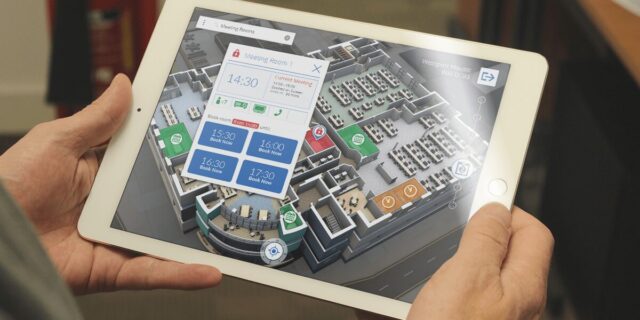
Augmented reality could change that experience completely. Instead of looking away from your surroundings to study a map, AR overlays directions directly onto the real world through a smartphone or smart glasses. Arrows appear on the floor. Digital labels hover above entrances. Real time prompts guide people naturally through a building. Navigation starts feeling less like decoding information and more like simply following a path.

Why Traditional Public Navigation Still Feels Clunky

Source: liminastudios.com

Public spaces have become larger and more complex over the last decade. Airports now resemble mini cities. Hospitals continue expanding into multi building campuses. Universities often spread across dozens of structures with confusing layouts.

Many people already rely on mobile maps outdoors, but indoor environments remain difficult because GPS signals struggle inside buildings. That gap is pushing organizations toward smarter solutions built specifically for indoor navigation.

In recent years, developers working with indoor mapping technology have focused on creating systems that understand building layouts with much greater precision. Instead of static directories, users receive interactive positioning and real time visual guidance inside public venues.

A few ongoing limitations still affect traditional systems:

  • Static signs cannot adapt to crowds or temporary closures
  • Paper maps create unnecessary cognitive overload
  • Visitors with disabilities often need more accessible guidance
  • First time visitors lose time trying to orient themselves

According to a 2023 systematic review on AR wayfinding published on arXiv, researchers found that augmented reality can reduce cognitive load while improving situational awareness during navigation tasks.

How AR Navigation Actually Works In Real Spaces

Source: becomap.com

Most people imagine augmented reality as futuristic gaming graphics floating in the air. Navigation focused AR is much more practical than that. The goal is clarity, not spectacle.

Modern systems combine smartphone cameras, spatial mapping, sensors, and positioning tools to understand where a person is standing inside a building. Once the system recognizes the environment, it overlays directional information directly onto the live camera view.

Imagine entering a convention center. You hold up your phone and instantly see glowing arrows guiding you toward Hall B. Elevators are highlighted. Restrooms appear with floating labels. A warning pops up about congestion near one corridor and reroutes you automatically.

Some systems already combine several technologies together:

Technology What It Helps With
Computer vision Recognizing surroundings
Bluetooth beacons Estimating indoor location
SLAM tracking Understanding movement in space
QR positioning Establishing exact user starting points

Research published in the Journal of Systems Engineering and Electronics in 2025 explained how smartphone based AR systems using SLAM and QR positioning improved navigation inside hospitals and educational buildings without requiring expensive infrastructure.

That matters because scalability will determine whether AR navigation becomes mainstream.

Airports And Hospitals Could Benefit The Most

Source: arway.ai

Some public environments create much higher stress levels than others. Airports and hospitals sit near the top of that list because people are often rushed, distracted, anxious, or emotionally overwhelmed.

AR navigation could reduce a surprising amount of mental fatigue in those settings. Instead of searching for tiny overhead signs, travelers could simply follow visual guidance through terminals. Patients visiting hospitals would spend less time wandering hallways while trying to find departments or clinics.

A 2025 University of Michigan hospital study found that participants using AR navigation completed indoor wayfinding tasks faster and with fewer mistakes compared to people using traditional paper maps. The AR group also reported lower anxiety and cognitive workload.

Important finding: Researchers also noted that paper map users retained stronger long term spatial memory, suggesting AR systems should balance convenience with human orientation skills.

That balance will become an important design question in the future.

Accessibility Could Improve In A Major Way

Source: viewar.com

One of the strongest arguments for AR navigation has less to do with convenience and more to do with accessibility. Public navigation systems often fail people with visual impairments, mobility challenges, cognitive conditions, or language barriers.
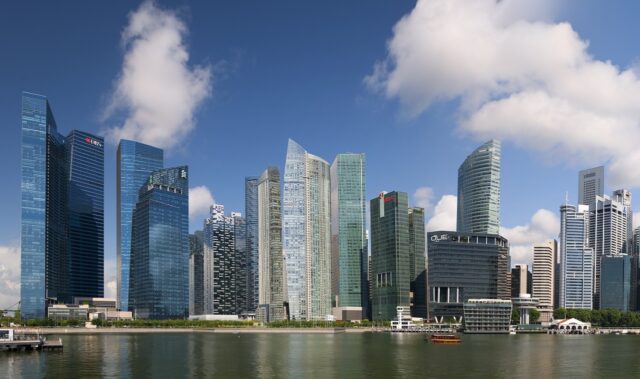
AR systems could personalize guidance instead of forcing everyone into one standard format.

A few examples already being tested include:

  • Audio turn by turn guidance for visually impaired users
  • High contrast overlays for low vision navigation
  • Multi language visual instructions in international hubs
  • Wheelchair friendly route suggestions that avoid stairs

Research focused on accessible wayfinding for visually impaired users has highlighted how digital indoor navigation systems can improve mobility and independence inside airports, transit stations, and large facilities.

That shift matters because accessibility often gets treated as an add on instead of a central design priority. AR navigation has the potential to make inclusion part of the core system itself.

Retail Stores And Museums Could Become More Interactive

Source: liminastudios.com

Navigation does not always need to feel purely functional. In some public spaces, AR could turn wayfinding into part of the experience.

Museums already experiment with interactive overlays that guide visitors between exhibits while displaying additional historical information. Shopping centers could eventually offer personalized navigation that adapts to customer interests or shopping lists.

Did you know?

Some indoor navigation platforms now analyze anonymous visitor movement patterns to help museums improve crowd flow and exhibition layouts.

Retail applications could also become surprisingly practical. Instead of wandering store aisles searching for a product, shoppers might receive an exact route to the correct shelf. Stadium visitors could find entrances, food vendors, or restrooms without stopping to study giant maps.

Still, there is a fine line between helpful guidance and overwhelming digital clutter. Good AR navigation will depend heavily on restraint and thoughtful design.

Smart Glasses Could Push AR Navigation Further

Source:facebook.com

Right now, most AR navigation relies on smartphones because people already carry them everywhere. The long term vision, though, probably involves wearable devices.

Smart glasses would allow navigation instructions to appear naturally within someone’s field of vision without requiring them to constantly hold a phone. That creates a smoother and safer experience, especially in crowded environments.

Researchers working on systems like NavMarkAR have already explored smart glasses designed to improve navigation for older adults. Early studies showed gains in navigation efficiency and spatial understanding.

Several challenges still need solving before widespread adoption happens:

  • Battery life remains limited
  • Wearable hardware is still expensive
  • Privacy concerns continue growing
  • Visual distractions could create safety risks
  • Positioning accuracy indoors still varies

Even with those obstacles, the direction feels clear. Public navigation is gradually shifting away from static signs toward adaptive digital guidance.

The Biggest Challenge Might Be Human Trust

Technology only succeeds when people actually feel comfortable using it. That could become one of the largest hurdles for AR navigation systems.

Many people still hesitate to trust digital directions completely, especially indoors where accuracy matters more. If an AR system sends someone the wrong way inside an airport or hospital, frustration builds fast.

Privacy concerns also deserve serious attention. Indoor navigation platforms often collect positioning and movement data to function effectively. Public institutions will need clear rules around how that data gets stored, analyzed, and protected.

At the same time, overreliance on digital guidance could weaken natural orientation skills. Researchers have already started debating whether constant AR assistance may reduce long term spatial memory in some situations.

Public acceptance will likely depend on systems that feel reliable, transparent, and genuinely useful instead of flashy.

Frequently Asked Questions

1. How expensive would AR navigation systems be for public buildings?

Costs depend on the size and complexity of the facility. Smaller venues may only need smartphone based software and indoor positioning tools, while airports or hospitals often require larger infrastructure investments. According to recent industry reports, many organizations are moving toward scalable systems that can work with existing smartphones instead of expensive custom hardware.

2. Could AR navigation drain smartphone batteries quickly?

Yes, continuous camera usage, real time positioning, and AR rendering consume more battery power than normal map applications. Developers are currently focusing on lighter processing methods and better sensor efficiency because battery life remains one of the most common complaints in AR usability research.

3. Would AR navigation help international tourists who do not speak the local language?

Potentially very well. Visual guidance reduces reliance on written instructions, which makes navigation easier for visitors who may struggle with local signage. Some modern systems already support multilingual overlays and universal directional icons that reduce confusion in airports, museums, and transportation hubs.

Final Thoughts

Source: electronics360.globalspec.com

Augmented reality navigation feels much closer to everyday reality than many people realize. Pieces of the technology already exist in airports, museums, shopping centers, and hospitals. The next few years will probably focus less on inventing AR navigation and more on refining it into something seamless enough that people barely notice the technology underneath.

Public spaces continue growing larger and more complicated. Traditional signs alone cannot keep pace forever. AR offers a way to make navigation feel more intuitive, adaptive, and human centered.

The most successful systems will probably be the ones people stop thinking about entirely. Instead of fighting with maps and directories, visitors simply move through spaces naturally, with guidance appearing exactly when needed and disappearing when it is not.

Scholarship Essay Checklist For High School Seniors, With Personal Story, Word Count, Tone, Examples, And Final Review

Student workspace with scholarship essay planning materials, checklist, notebook, laptop, and study supplies for college applications.

Applying for scholarships can feel overwhelming, especially when several applications seem to ask for the same thing in slightly different ways. One scholarship might want a personal story, another might focus on leadership, while a third asks about future goals. No matter the prompt, one thing remains true: your essay often plays a major role in helping committees decide who receives funding.

A strong scholarship essay is not about sounding perfect. It is about helping readers understand who you are, what motivates you, and why their investment in your education matters. This scholarship essay checklist will help you focus on the elements that make applications stand out while avoiding common mistakes that weaken otherwise promising essays.

Start With a Personal Story That Actually Matters

Most scholarship committees read hundreds of essays. Grades, activities, and achievements may look similar across applicants. Your personal story is what creates distinction.

Instead of listing accomplishments, focus on a specific experience that shaped your perspective. Maybe you balanced school with part-time work, overcame a challenge at home, or discovered a passion through volunteering. The goal is not to impress readers with hardship. It is to show growth and self-awareness.

A useful scholarship essay checklist always begins with authenticity because readers can quickly recognize when students are trying too hard to sound inspirational.

Before drafting, ask yourself:

  • What experience changed how I think?
  • What lesson still influences me today?
  • How does this connect to my educational goals?

When your story answers those questions, the essay immediately feels more memorable.

Source: humaqureshi.co.uk

Understand the Prompt Before Writing

Many students lose points because they write a good essay that does not fully answer the question.

Before typing the first sentence, spend time analyzing the prompt. Highlight keywords and identify exactly what reviewers want to learn. If the scholarship asks about leadership, your essay should clearly demonstrate leadership. If it asks about career goals, those goals should remain central throughout the piece.

Another important step is checking originality and clarity before submission. Many students now use an AI content detector to review their drafts and ensure the writing reflects their own voice rather than sounding generic or overly automated. Scholarship committees often value authenticity more than polished but impersonal language.

Important – A scholarship essay should answer the prompt first and showcase your writing skills second.

Strong writing cannot compensate for ignoring the actual question.

Pay Attention to Word Count Without Obsessing Over It

Word count limits exist for a reason. Scholarship providers want applicants to communicate effectively and follow instructions.

The table below shows a practical approach to common essay lengths:

[su_table responsive=”yes”]

Word Limit Recommended Target
250 words 225-250 words
500 words 450-500 words
750 words 675-750 words
1000 words 900-1000 words

[/su_table]

Staying slightly below the maximum often creates a cleaner reading experience.

At the same time, do not treat word count as a challenge to fill every available space. Scholarship reviewers generally prefer concise, focused essays over repetitive writing. Every paragraph should contribute something meaningful to the overall narrative.

A common mistake among high school seniors is adding unnecessary background information simply to reach a target length. If a sentence does not strengthen your story or support your argument, it probably does not belong in the final version.

Source: ts-tutoring.com

Use Examples Instead of General Statements

One of the fastest ways to improve a scholarship essay is replacing broad claims with concrete examples.

Consider these two approaches:

General statement:
“I am a hardworking student who values education.”

Specific example:
“For two years, I worked evening shifts at a local grocery store while maintaining honors-level coursework and participating in student government.”

The second version immediately creates a clearer picture.

Research also supports the importance of storytelling and specific examples in persuasive writing. A study published in The Journal of Consumer Research in 2007 found that concrete narratives and vivid examples often create stronger engagement and emotional connection than abstract information alone.

While scholarship essays are not marketing documents, the principle remains relevant. Specific experiences help readers remember your application long after they finish reading it.

Did You Know?

Many scholarship reviewers spend only a few minutes on an initial essay review. Clear examples help important details stand out quickly and improve retention.

Source: samwell.ai

Complete a Thorough Final Review Before Submission

The final review stage is where many strong essays become exceptional.

After finishing your draft, step away from it for at least a few hours. Returning with fresh eyes makes it easier to spot awkward phrasing, repetitive ideas, and missing details.

During your final review, focus on more than grammar. Ask yourself whether the essay accomplishes its purpose.

Use this checklist:

  • Does the introduction immediately engage the reader?
  • Is the main story clear and focused?
  • Does every paragraph connect to the prompt?
  • Have you removed unnecessary details?
  • Are future goals clearly explained?
  • Is the conclusion memorable?
  • Have spelling and grammar been checked carefully?

Reading the essay aloud is one of the most effective editing techniques available. Sentences that seem fine on screen often reveal problems when spoken.

The strongest scholarship essays rarely emerge from a single draft. Revision is where clarity, structure, and impact come together.

Frequently Asked Questions

How early should I start writing a scholarship essay?

Ideally, begin at least two to three weeks before the deadline. This allows enough time for drafting, feedback, revisions, and final proofreading without feeling rushed.

Can I reuse the same scholarship essay for multiple applications?

Yes, but only after tailoring it to each scholarship prompt. Generic submissions are easier for reviewers to spot and often perform worse than customized essays.

Should scholarship essays include academic achievements?

They can, but achievements should support your story rather than dominate it. Scholarship committees usually already have access to transcripts and activity lists.

Is it okay to discuss challenges or failures?

Absolutely. In fact, many strong essays focus on obstacles, setbacks, or mistakes. What matters most is demonstrating growth, resilience, and lessons learned.

Should teachers or parents review my essay before submission?

Getting feedback is helpful, but the final essay should still sound like you. Outside reviewers can identify unclear sections while preserving your authentic voice.

The Evolution of Ethical Finance: Why Modern Savers are Choosing Credit Unions

Source: audits.com.au

The landscape of British finance has undergone a significant transformation over the last decade. While the high street giants once held an absolute monopoly on how we managed our money, a shift in consumer consciousness has led many to seek out more community-focused alternatives. Ethical banking and financial cooperatives are no longer niche interests; they are becoming mainstream choices for those who value transparency, social responsibility, and member-led governance. At the heart of this movement is the credit union. These institutions operate on a straightforward principle: people helping people. Unlike traditional banks that must answer to external shareholders demanding quarterly profits, credit unions are owned by the individuals who use their services.

This structure ensures that any surplus generated is either reinvested into the organisation to provide better rates or returned to members in the form of an annual dividend.

Understanding the Cooperative Model

Source: corporatefinanceinstitute.com

The fundamental difference between a credit union and a high street bank lies in the objective of the institution. A bank is a commercial enterprise designed to maximise profit. In contrast, a credit union is a financial cooperative.

To join one, an individual must typically share a common bond with other members, such as working in the same industry, belonging to a specific association, or living within a particular geographic area.

This shared connection fosters a sense of collective security. When a member deposits savings, those funds are used to provide affordable loans to other members within that same community.

It is a circular economy in its purest financial form. This model has proven particularly resilient during economic downturns, as the focus remains on the long term stability of the membership rather than speculative investment.

Ensuring the Safety of Your Savings

Source: bankrate.com

A common question for those considering a move away from traditional banking relates to the security of their hard earned money. Prospective members often ask, Are credit unions regulated in the same way as the household names seen on every British high street. The answer is a resounding yes. In the United Kingdom, credit unions are held to incredibly high standards of financial conduct and operational resilience.

Every credit union in the UK must be authorised by the Prudential Regulation Authority (PRA) and regulated by both the PRA and the Financial Conduct Authority (FCA). These bodies ensure that the institutions are managed professionally and maintain sufficient capital to protect their members.

Furthermore, savings held within a credit union are protected by the Financial Services Compensation Scheme (FSCS). This means that, should the institution fail, an individual’s deposits are protected up to the statutory limit, which is currently £85,000. This level of protection is identical to that offered by major banks, providing significant peace of mind for savers.

The Social Impact of Member Owned Finance

Beyond the technicalities of regulation, the appeal of credit unions often stems from their commitment to social value. Many people now recognise that where they choose to store their money has real world consequences.

Traditional banks have frequently faced criticism for investing in industries that may conflict with a saver’s personal ethics, such as fossil fuels or arms manufacturing.

Credit unions generally take a more localised and ethical approach. By providing accessible credit at fair rates, they play a vital role in preventing individuals from falling into the trap of high interest payday lenders.

For many workers, particularly those in public services or specific industrial sectors, these organisations offer a lifeline. They provide a way to build financial resilience through regular savings schemes, often deducted directly from a payroll to make the process effortless.

Accessibility and Modern Services

Source: doerscircle.com

There was once a misconception that choosing a credit union meant sacrificing convenience. In the past, these organisations were sometimes viewed as small, paper based operations with limited digital capabilities.

However, the sector has modernised rapidly. Today, many credit unions offer sophisticated online banking platforms, mobile apps, and streamlined loan application processes that rival those of the major banks.

This digitisation has allowed credit unions to scale their impact without losing the personal touch that defines them. Members can manage their accounts from their smartphones while still knowing that they can speak to a real person who understands their specific circumstances when they need support.

This balance of technology and empathy is a key reason why institutions like Transave UK have seen such consistent growth in their membership base.

Finding the Right Fit for Your Financial Future

As the cost of living continues to fluctuate, the importance of having a reliable and ethical financial partner cannot be overstated. When evaluating where to place your savings or where to turn for a loan, it is worth looking beyond the most heavily advertised products.

A credit union offers a unique blend of competitive rates, high level security, and the knowledge that your money is supporting a community of like minded professionals.

The transition to a more ethical way of managing money starts with a simple step of research. By understanding the rigorous regulatory framework that governs these institutions and the tangible benefits of the cooperative model, savers can make informed decisions that benefit both their own bank balance and the wider society.

The modern credit union is a robust, safe, and sophisticated alternative to the traditional banking system, offering a fairer way to manage finances in the twenty-first century.

Why You Should Always Choose a Birmingham Electrician for Your Home or Business

Source: checkatrade.com

Whether you live in a cosy period home in Moseley, a modern apartment near Jewellery Quarter or run a small business in Digbeth, electrical issues can arise at any time.

Faulty wiring, tripped circuits, outdated fuse boxes or poorly installed lighting are not only inconvenient but can pose a serious risk to safety.

That is why hiring a qualified, local expert is so important.

In this article we outline key reasons to use a professional Birmingham‑based tradesperson, explain what to look out for and how you benefit.

If you want a reliable service in the Birmingham area, consider contacting a dedicated Birmingham electrician.

The Importance of Hiring a Qualified Electrician

Safety first

Source: expertelectricwinnipeg.com

Electrical work is inherently dangerous.

Incorrect wiring, substandard installations or inappropriate use of materials can lead to electric shocks, fire, or damage to your property.

According to UK safety guidance, using a qualified professional greatly reduces these risks because they know how to adhere to standards and carry out work safely.

Compliance with regulations

In the UK any electrical installation must comply with recognised safety standards. One of the core standards is BS 7671, the Wiring Regulations, which dictate how wiring, earthing, circuit protection, and installations should be done.

Additionally, for domestic work in England and Wales, certain tasks (for example installing new circuits or replacing a consumer unit) must comply with building regulations under Part P. If electrical work is not undertaken by a qualified and registered electrician, it may contravene these regulations.

Quality, reliability and peace of mind

A proper electrician doesn’t just do the job — they do it to a recognised standard, using proper materials, correct installation techniques, and testing protocols.

Using a professional ensures that work is not only safe but also reliable and long‑lasting.

Improper or DIY jobs can end up costing more over time due to faults, repeated repairs or — at worst — safety incidents.

What Qualifies ‘Qualified’ — Credentials to Check

Source: greenwoodheating.com

Not everyone claiming to be an electrician has the right certifications or experience.

When hiring, make sure they are “registered” or certified with a reputable body such as NICEIC, NAPIT or a similar Competent Person Scheme. Such registration ensures the electrician:

  • Has undertaken recognised training and passed assessments.
  • Adheres to current wiring regulations (BS 7671) and building regulations (Part P).
  • Is able to self‑certify the majority of domestic electrical work — meaning you avoid needing separate building control sign‑off, which can complicate matters.

Beyond certification, a good electrician should provide clear, detailed quotes, carry liability insurance and be willing to show past work or references.

That transparency helps you select a trusted professional rather than risk poorly‑qualified individuals.

The Benefits of Using a Local Birmingham Electrician

Choosing a local electrician in Birmingham — rather than a general or out‑of‑area contractor — brings several advantages:

  • Familiarity with local regulations and housing stock: Birmingham includes a wide variety of property types — from Victorian terraces to new builds — so a local electrician will understand common wiring issues and regulatory requirements across different ages of property.
  • Responsiveness and accessibility: A locally based electrician will likely respond quicker to urgent calls, especially important for emergencies or when you need repairs fast.
  • Local knowledge for home improvements or upgrades: Whether you’re upgrading lighting, rewiring older homes, or installing EV chargers or smart‑home wiring, a local professional can advise what’s practical for Birmingham homes and ensure compliance with local building control, if needed.
  • Community reputation and trust: Local tradespeople rely heavily on their reputation. By hiring a Birmingham‑based electrician, you’re more likely to get someone who values reviews, upholds high standards, and is accountable for their work.

What to Consider When Hiring

When engaging a Birmingham electrician, these points will help you make a good choice:

  • Verify their registration and certification. Ask whether they are certified with NICEIC, NAPIT or a similar Competent Person Scheme.
  • Ask for a detailed written quote — including labour, materials, scope, timescale, materials compliance, testing and certification on completion.
  • Check their insurance and guarantee terms — ensuring you are covered in case of any accidental damage or future faults.
  • Confirm they follow current regulations: BS 7671 wiring rules, and domestic work complying with Part P where applicable.
  • Seek references or read reviews from previous customers to confirm quality and reliability — especially important in older homes or for complex jobs.

Common Services a Birmingham Electrician Should Offer

Source: andrewsaz.com

A competent Birmingham electrician should be able to handle a broad range of domestic and commercial electrical services, including:

  • Full rewires or partial rewiring of older wiring systems
  • Upgrading or replacing consumer units / fuse boxes
  • New circuit installations — for kitchens, bathrooms, home offices or extensions
  • Installation of modern lighting, sockets, data cabling, smart‑home wiring
  • Safe installation of appliances: ovens, hobs, electric showers, immersion heaters
  • Periodic inspection and testing, fixed wiring checks (EICR), maintenance on rental properties or commercial premises
  • Upgrades for energy efficiency: LED lighting, energy‑saving systems, wiring for EV chargers or future‑proof circuits

Final Thoughts

Electrical work is not a DIY job. The risks of poor installations — from shocks to fire hazards — and the legal requirements for safe installations mean that the only sensible choice is to hire a qualified, registered professional.

If you are in Birmingham and need trustworthy electrical work, using a local, reputable electrician makes sense for safety, compliance and peace of mind.

For anyone requiring professional services, a true local resource can be found through  Birmingham electrician.

Choosing local, qualified, and accountable tradespeople is not just sensible — it is vital for the safety and longevity of your home or business.

The Enduring Strength and Versatility of Stainless Steel Sheets

Source: alcoengineering.co.uk

In modern construction, manufacturing, and design, few materials can rival the strength, durability, and sleek appearance of stainless steel.

From kitchen splashbacks to architectural façades, stainless steel sheets have become an essential component across countless industries. Their versatility, combined with exceptional resistance to corrosion, makes them a long-term, cost-effective solution for both functional and aesthetic applications.

What Is Stainless Steel?

Source: ebay.com

Stainless steel is an alloy primarily composed of iron, chromium, and varying amounts of nickel, molybdenum, and other elements.

The chromium content—usually a minimum of 10.5%—creates a passive layer on the surface, which prevents rusting and staining.

This self-healing quality means that even when scratched or cut, the metal naturally reforms its protective barrier when exposed to oxygen.

The result is a material that resists rust, discolouration, and corrosion, even in challenging environments such as marine, industrial, or food processing settings.

Common Grades of Stainless Steel Sheet

Different grades of stainless steel offer specific benefits depending on the intended use. The most popular grades used for stainless steel sheets include:

  • Grade 304: Often considered the “standard” stainless steel, it offers excellent corrosion resistance and formability, making it ideal for kitchen equipment, architectural cladding, and general fabrication.
  • Grade 316: Contains molybdenum, which significantly improves resistance to chloride corrosion, making it perfect for marine environments or chemical processing applications.
  • Grade 430: A ferritic stainless steel that provides good resistance to oxidation and corrosion at a lower cost, often used for decorative applications and appliances.

Each grade offers a balance between cost, performance, and appearance, ensuring there is an appropriate option for virtually any project.

Key Benefits of Stainless Steel Sheets

1. Corrosion Resistance

Source: impactirl.ie

The most recognised advantage of stainless steel sheets is their superior resistance to rust and corrosion. This makes them particularly valuable in environments where moisture, salt, or chemicals are present.

2. Hygienic Properties

Stainless steel is non-porous and easy to clean, making it a top choice for commercial kitchens, hospitals, and laboratories. Its smooth surface prevents bacterial growth and allows for quick sanitisation.

3. Durability and Strength

Stainless steel sheets have an impressive strength-to-weight ratio, offering excellent load-bearing capabilities without unnecessary bulk. They can withstand impact, heat, and wear, ensuring a long lifespan even in demanding conditions.

4. Aesthetic Appeal

Available in various finishes—such as brushed, polished, or patterned—stainless steel sheets provide a contemporary, professional look. They’re commonly used in architecture and interior design to achieve modern and minimalist styles.

5. Sustainability

Stainless steel is fully recyclable. In fact, most new stainless steel contains a high proportion of recycled content, contributing to sustainable construction and manufacturing practices.

Popular Applications of Stainless Steel Sheets

Source: hollinbrow.co.uk

The adaptability of stainless steel sheets allows them to be used across a wide range of sectors, including:

1. Architecture and Construction

Used in façades, roofing, and cladding, stainless steel provides long-lasting performance and visual appeal. Its reflective surface can enhance light distribution and create a striking modern appearance.

2. Catering and Food Production

Hygiene is critical in the food industry, and stainless steel sheets are perfect for worktops, splashbacks, and shelving. Their ease of cleaning and resistance to staining make them indispensable in professional kitchens.

3. Automotive and Transport

Stainless steel’s combination of strength and corrosion resistance makes it valuable in vehicle manufacturing, especially for exhaust systems, trims, and protective panels.

4. Manufacturing and Engineering

Source: vulcanpost.com

From machine guards to enclosures, stainless steel sheets are used wherever precision and durability are required. Their ability to withstand harsh environments ensures consistent performance over time.

5. Interior Design and Furniture

Designers often use stainless steel sheets for decorative panels, wall coverings, and custom furniture. Their reflective finish adds sophistication and pairs well with other materials such as wood, glass, or stone.

Choosing the Right Finish for Your Project

The surface finish of a stainless steel sheet plays a crucial role in its function and appearance. Common finishes include:

  • 2B Finish: A smooth, reflective finish suitable for most industrial and domestic applications.
  • Brushed (Satin) Finish: Offers a softer, more muted appearance with visible grain lines—popular for appliances and interiors.
  • Mirror Finish: Highly polished to a reflective sheen, ideal for decorative or architectural purposes.
  • Patterned or Embossed Finish: Adds texture for visual interest or improved grip, often used in public spaces and transport applications.

Selecting the right finish not only enhances the visual impact but also influences performance characteristics such as wear resistance and ease of cleaning.

Fabrication and Working with Stainless Steel Sheets

Source: tbkmetal.com

Despite its toughness, stainless steel can be cut, bent, welded, and formed into complex shapes using appropriate tools and techniques. It’s compatible with laser cutting, waterjet cutting, and CNC machining.

However, due to its hardness and ability to work-harden, it requires skilled handling to avoid contamination or distortion.

Partnering with a reputable metal supplier ensures the sheet is prepared to your specifications and suitable for the intended application.

Cost Considerations

While stainless steel may have a higher upfront cost than mild steel or aluminium, it often delivers greater value over time.

Its longevity, low maintenance requirements, and resistance to corrosion reduce long-term expenses associated with replacements and repairs.

Additionally, the visual appeal of stainless steel can enhance property value or brand perception in commercial environments.

Where to Buy Quality Stainless Steel Sheets

When sourcing high-quality stainless steel for your next project, it’s essential to choose a trusted supplier with a reputation for precision cutting, fast delivery, and excellent customer service.

At 1st Choice Metals, you’ll find a wide range of stainless steel sheet options available in different grades, thicknesses, and finishes. Whether you need material for a bespoke fabrication, an architectural feature, or an industrial application, they offer reliable products cut to size and ready for immediate use.

Their commitment to quality ensures every sheet meets strict standards for performance and finish, giving you confidence in both appearance and durability.

Maintenance Tips for Stainless Steel Sheets

Source: vigorss.com

To maintain their aesthetic appeal and longevity, stainless steel sheets should be cleaned regularly using mild detergents or specialist stainless steel cleaners.

Avoid using abrasive pads or chlorine-based solutions, as these can damage the surface and compromise corrosion resistance.

Simple maintenance can go a long way towards preserving the material’s luster and extending its lifespan—whether used indoors or outdoors.

Conclusion

From industrial plants to interior design studios, stainless steel sheets offer unmatched versatility, resilience, and style. Their ability to perform reliably in a variety of environments—while maintaining a timeless appearance—makes them a cornerstone material in modern engineering and design.

If you’re planning your next project and need a robust, sustainable, and visually appealing solution, explore the full range of stainless steel sheet from 1st Choice Metals. Combining practicality with elegance, stainless steel remains the ultimate material for both form and function.

Singapore Property Market Trends for Upcoming Developments

Source: ura.gov.sg

The Singapore property market in 2025 is defined by cautious optimism. Prices continue to rise moderately after a brief correction in 2024, while developers focus on sustainable design, integrated communities, and smart-living features.

Despite global uncertainty, demand in the city-state remains resilient, driven by limited land supply, a stable economy, and consistent foreign investor interest. The next two years will see a surge of new projects that reflect changing buyer priorities, compact luxury, proximity to transport, and energy efficiency now matter more than ever.

A Market Shaped by Policy and Precision

The Urban Redevelopment Authority (URA) has maintained steady control over the private housing pipeline. Cooling measures introduced in 2023 continue to moderate speculative buying, but they have not dampened genuine owner-occupier demand. The Additional Buyer’s Stamp Duty (ABSD) has particularly reshaped foreign participation, with many investors turning their attention toward long-term rental yield rather than short-term flipping.

Local buyers, especially younger families and dual-income professionals, remain the strongest market force. They are drawn to upcoming developments that combine accessibility, compact layouts, and comprehensive amenities. These factors contribute to a steady absorption rate in the primary market, even when global interest rates fluctuate.

Demand Concentrating in Transit-Oriented Districts

Source: mrtmapsingapore.com

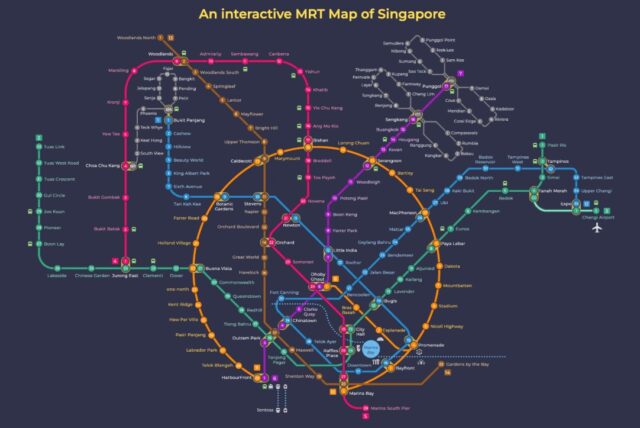
MRT connectivity remains the single most influential factor for new property demand. Areas within a 10-minute walk of a station, particularly those linked to new lines like the Cross Island Line (CRL) and Jurong Region Line (JRL), are witnessing strong developer interest and record land bids. Buyers prioritize convenience over size, leading to a market shift toward efficient unit layouts with flexible interior design.

Districts such as Tampines North, Lentor, and Pasir Ris are prime examples. These neighborhoods combine mature infrastructure with new mixed-use developments. Retail, schools, and public transport all converge to create self-contained communities, aa that continues to shape Singapore’s urban planning philosophy.

Rising Emphasis on Sustainable and Smart Design

Environmental sustainability is now a decisive factor in both planning approvals and consumer preference. Developers are adopting green certifications, integrating solar panels, rainwater harvesting, and passive ventilation systems into their designs. Buyers increasingly expect energy-efficient appliances and low-carbon building materials as standard, not luxury extras.

This sustainability push is complemented by digitalization. Smart home systems, from app-controlled lighting to automated climate control, are becoming essential selling points. These innovations enhance comfort and reduce utility costs, aligning with Singapore’s Green Plan 2030 and the city’s broader target of achieving net-zero emissions by mid-century.

Prime Developments Reflecting Modern Living

Upcoming residential launches continue to demonstrate how the market adapts to evolving buyer behavior. For example, Pinery Residences represents the new generation of integrated-lifestyle developments. Located in a growth corridor with direct access to transport and retail clusters, it offers compact but functional layouts ideal for professionals and small families. The project aligns with the trend toward community-driven living, emphasizing shared green spaces, fitness areas, and multipurpose rooms over large private balconies.

Projects like this illustrate how Singapore’s property developers are repositioning their value proposition: space is now measured by quality and flexibility, not sheer size. This approach appeals to both local and expatriate tenants who prioritize convenience and design efficiency.

Limited Land Supply and Government Planning

Source: edgeprop.sg

Singapore’s land scarcity continues to underpin its long-term property value. Each Government Land Sale (GLS) exercise attracts strong competition, with per-square-foot prices maintaining stability despite global inflationary pressures. Developers are expected to remain selective, focusing on mid-sized plots in established residential zones rather than speculative high-density builds.

The government’s long-term planning in areas such as Tengah, Jurong Lake District, and the Greater Southern Waterfront will define the next decade of residential growth. Tengah, for instance, will serve as Singapore’s first “smart forest town,” integrating sustainability, walkability, and digital infrastructure, all concepts that resonate deeply with younger buyers and forward-looking investors.

Rental Market Stability and Yield Potential

After two years of high volatility, the rental market is stabilizing. Median rents for condominiums have plateaued since Q2 2025, with stronger resilience in city-fringe and suburban zones than in the Core Central Region (CCR). Expats returning post-pandemic are choosing more cost-efficient housing options near business hubs like Paya Lebar and One-North rather than central areas.

Rental yields currently average between 3.5% and 4.2% for well-located suburban units. This stability ensures continued interest from long-term investors, especially those seeking to offset rising financing costs with consistent returns. However, the government remains vigilant about maintaining housing affordability for locals, meaning further tightening measures are unlikely unless speculative activity resurges.

A Second Wave of Urban Transformation

Singapore’s property landscape is entering what planners describe as a “second wave” of urban transformation. The first wave (2010–2020) focused on redeveloping older housing estates and expanding MRT coverage. The current phase focuses on decentralization, bringing work, leisure, and housing closer together outside the downtown core.

This is visible in hubs like Punggol Digital District and Woodlands Regional Centre, both designed to support job creation and local amenities simultaneously. Such decentralization reduces commuting times, strengthens community networks, and keeps housing demand diversified across the island rather than concentrated in a few high-priced enclaves.

The Role of Luxury and Boutique Projects

Source: propertyguru.com.sg

While mass-market condominiums continue to dominate sales volume, boutique developments are quietly shaping the high-end segment. One of the notable trends is the rise of smaller, design-focused luxury residences that target discerning local and foreign buyers seeking exclusivity and architectural distinction rather than size.

An example is Narra Residence, a boutique development that reflects the growing preference for privacy and craftsmanship in the luxury market. Its design approach underscores how top-tier buyers now prioritize location authenticity, aesthetic value, and long-term liveability instead of speculative resale potential. Boutique properties like this help diversify Singapore’s residential landscape, ensuring a more balanced spectrum of choices.

Outlook ─ Controlled Growth, Sustained Confidence

Looking ahead, analysts expect private home prices in Singapore to grow by 3–5% annually through 2026. This is a realistic pace that reflects the balance between rising construction costs and moderated demand under regulatory oversight. The government’s emphasis on housing affordability and infrastructure expansion will continue to support overall market stability.

Demand for suburban and fringe areas is expected to remain healthy, driven by upgraders from HDB flats and new family formations. Meanwhile, the luxury and core-central segment will benefit from the gradual return of foreign professionals and high-net-worth individuals seeking stable, long-term investments in a politically and economically secure city.

Final Assessment

The Singapore property market remains among the most disciplined and resilient globally. Every trend, from transit-oriented development to sustainability mandates, reflects deliberate planning rather than speculation. The market’s strength lies not in unrestrained growth but in balance, supported by consistent demand, transparent regulation, and long-term investor trust.

For 2025 and beyond, success in property investment will depend on recognizing where urban renewal and lifestyle evolution intersect. Projects that integrate connectivity, green infrastructure, and smart design, like the examples mentioned, represent the true direction of Singapore’s housing future.

Place Mats and Coasters: The Perfect Blend of Style and Practicality

Source: meikiedesigns.com

When it comes to setting the table, the little details often make the biggest difference. While fine china, elegant cutlery, and glassware all play their part, it’s the subtle accessories that complete the picture.

One of the simplest yet most effective ways to elevate dining experiences at home is by using place mats and coasters.

Practical, stylish, and versatile, they not only protect your furniture but also add personality and charm to your dining space.

Whether you’re hosting a dinner party, enjoying a family meal, or just having a quiet coffee at the table, these small accessories can transform the overall look and feel of your setting.

Why Place Mats and Coasters Matter

Source: amazon.com

Protecting Furniture

Dining tables often take the brunt of daily use. Hot dishes, drink spills, and water rings can all damage surfaces. Place mats provide a protective barrier against heat and scratches, while coasters prevent condensation and stains from marking your table.

Enhancing Aesthetics

Place mats and coasters instantly add style to any table. From classic woven designs to contemporary patterns, they can complement your décor and tie together the theme of your dining room or kitchen.

Creating Atmosphere

The way a table is set influences the mood of a meal. Crisp linen mats create an elegant, formal atmosphere, while playful prints and bright colours lend a relaxed, cheerful vibe.

Practical Organisation

Beyond style, mats and coasters help define personal space, giving each guest a clear setting for their meal. This can make dining feel more organised and enjoyable.

Different Materials to Choose From

Cork

Source: amazon.co.uk

Lightweight, durable, and naturally heat-resistant, cork mats and coasters are a timeless option. They are eco-friendly and provide a rustic charm.

Wood

Wooden designs add warmth and natural beauty. With the right finish, they can be both functional and decorative.

Fabric

Cloth place mats can be elegant and versatile, with patterns ranging from subtle neutrals to bold prints. However, they require more maintenance than wipe-clean materials.

Plastic and Vinyl

Source: rudeco.en.made-in-china.com

Affordable and easy to clean, these are perfect for family meals and everyday use. They come in a wide variety of colours and designs.

Glass or Ceramic

These offer a more modern, polished look, though they are heavier and less forgiving if dropped.

Leather and Faux Leather

Sleek and stylish, leather place mats are easy to wipe clean and lend a touch of sophistication to any setting.

Styling Your Dining Table

Everyday Dining

Source: amazon.co.uk

Choose durable, easy-to-clean mats and coasters in neutral colours. This ensures practicality while keeping your table looking neat.

Formal Occasions

Opt for elegant sets in muted tones, metallic accents, or high-quality fabrics to complement formal tableware.

Seasonal Themes

Celebrate holidays and seasons by switching designs—floral prints for spring, bold patterns for summer, rich hues for autumn, and festive motifs for winter.

Mixing and Matching

Don’t be afraid to combine different textures or patterns. A sleek leather mat with a patterned cork coaster, for example, can add a contemporary edge to your table.

Benefits of Buying Sets

Purchasing coordinated place mats and coasters as a set ensures consistency in style and colour. It also saves time when setting the table, as everything matches perfectly.

Sets are available in a range of sizes, making them ideal for families, dinner parties, or even cafés and restaurants.

Ideal Occasions for Place Mats and Coasters

Source: thehumblehare.co.uk
  • Family Meals – Practical for everyday dining, especially with children.
  • Dinner Parties – Adds elegance and sophistication when entertaining guests.
  • Cafés and Restaurants – Essential for protecting furniture while presenting a polished look.
  • Gifting – Stylish sets make excellent housewarming or wedding presents.
  • Seasonal Celebrations – Themed designs help bring festive spirit to the table.

Caring for Your Place Mats and Coasters

To ensure longevity, it’s important to care for your mats and coasters correctly:

  • Wipe clean vinyl, cork, or leather designs after use.
  • Handwash or machine wash fabric mats depending on care instructions.
  • Store them flat to avoid warping, particularly cork or wood.
  • Avoid placing extremely hot pans directly on mats unless heat-resistant.

With proper care, they will last for years while maintaining their good looks.

How to Choose the Right Set

When selecting mats and coasters, consider:

  • Size – Ensure mats are large enough for plates and cutlery, and coasters suit the types of glasses you use.
  • Shape – Round, square, or rectangular options can complement your table shape.
  • Colour and Pattern – Match with your existing décor, or use contrasting shades for visual interest.
  • Durability – Choose materials suitable for your lifestyle, whether easy-clean vinyl for families or elegant linen for formal dining.

TTamer Collection: Stylish Place Mats and Coasters

Source: amazon.co.uk

For those looking to add both style and function to their table, TTamer offers a wide range of place mats and coasters in beautifully coordinated sets. Their designs combine practicality with elegance, making them perfect for everyday use or special occasions.

From classic cork to modern patterns, TTamer’s collection ensures there’s a design to suit every home. Each set is crafted with attention to quality, ensuring durability while enhancing the look of your dining space.

Conclusion

Place mats and coasters may be small accessories, but their impact on dining is undeniable. They protect your furniture, improve the look of your table, and help create the right atmosphere for any occasion.

By investing in high-quality sets, you not only enjoy everyday practicality but also add charm and character to your home.

With stylish, durable options available from TTamer, it’s never been easier to bring elegance and function together at your table. Whether for family meals, entertaining, or gifting, place mats and coasters are timeless essentials.